Sustainable Diets

  • Key idea: There are different forms of transportation – e.g. Producing a tally of the forms of transport used by children and staff, identifying more sustainable alternatives (UC6.6)
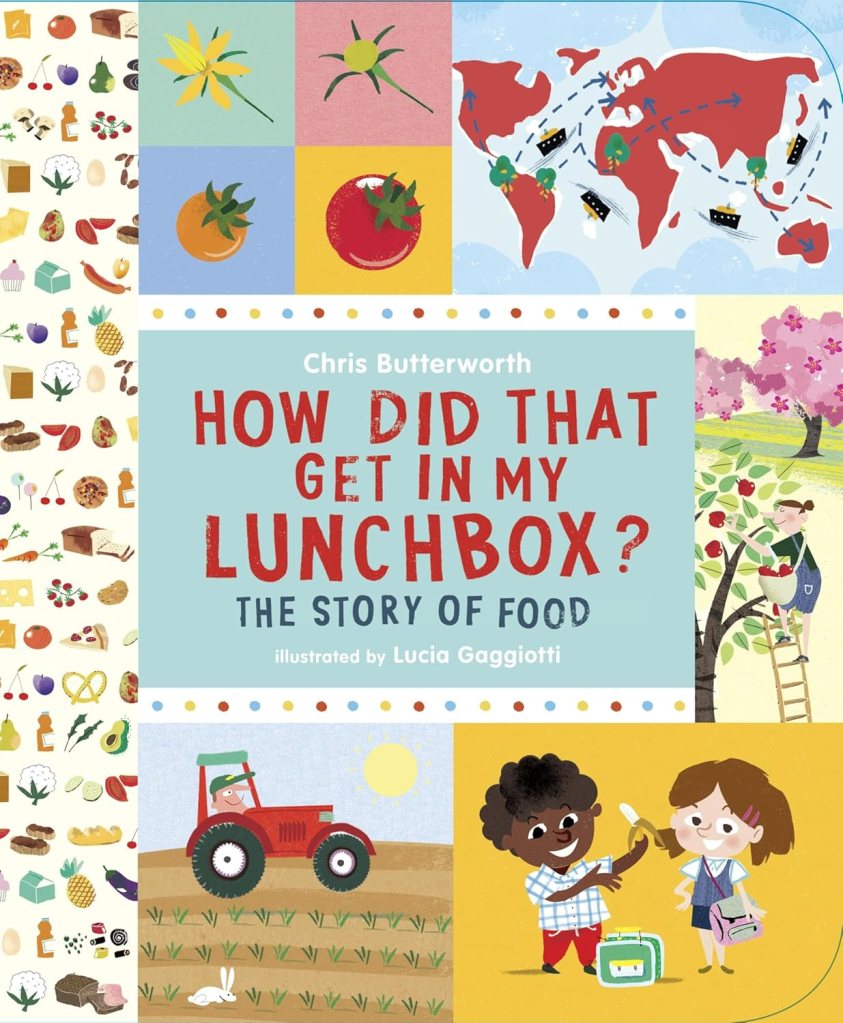
Title: How did that get into my lunchbox?
Author: Chris Butterworth
Illustrator: Lucia Gaggiotti
Publisher:  ‎Candlewick Press
Publication Date:  2011
ISBN:‎ 978-0763650056

An engaging look at the steps involved in producing some common foods. Also some healthy tips and an introduction to basic food groups.


Emergent learning:

Being a sustainable citizen is all about making sustainable choices. It’s about being a sustainable consumer, being economic and conserving nature and its resources.  As a child you can’t learn to make good choices if your parents and other adults around you make all your choices for you. 

In many homes and preschools children are encouraged to choose their own play toys and activities and ‘snacks times’ also provide a great opportunity for them to learn to be more independent, how to make decisions, about making sustainable choices, about sharing, and about respecting the needs and choices made by others.

Snack time also provides a context for the development of crucial fine motor skills like pouring and cutting, for the child to improve language and math skills by discussing food, portions and sharing, and also to learn about their own appetites and food choices.

Activity recommendation:

Every mealtime can be a rich educational experience, and the more we can involve the children in making choices and in the preparation of food the better.  Touching, smelling and tasting the food is an opportunity to talk, to socialise, and to develop their senses, mathematical understandings and emergent science.  We can also  organise trips to local food producers and shops so the children can see where their food comes from. 
Advice to support planning of menus in the UK is available from the Soil Association and from the Food for Life programme although they are heavily meat and dairy based. More sustainable, and healthier dietary options are vegetable and fruit based.  There is much to be learnt from considering studying food pyramids, including the Whole Food Vegan Food Pyramid:
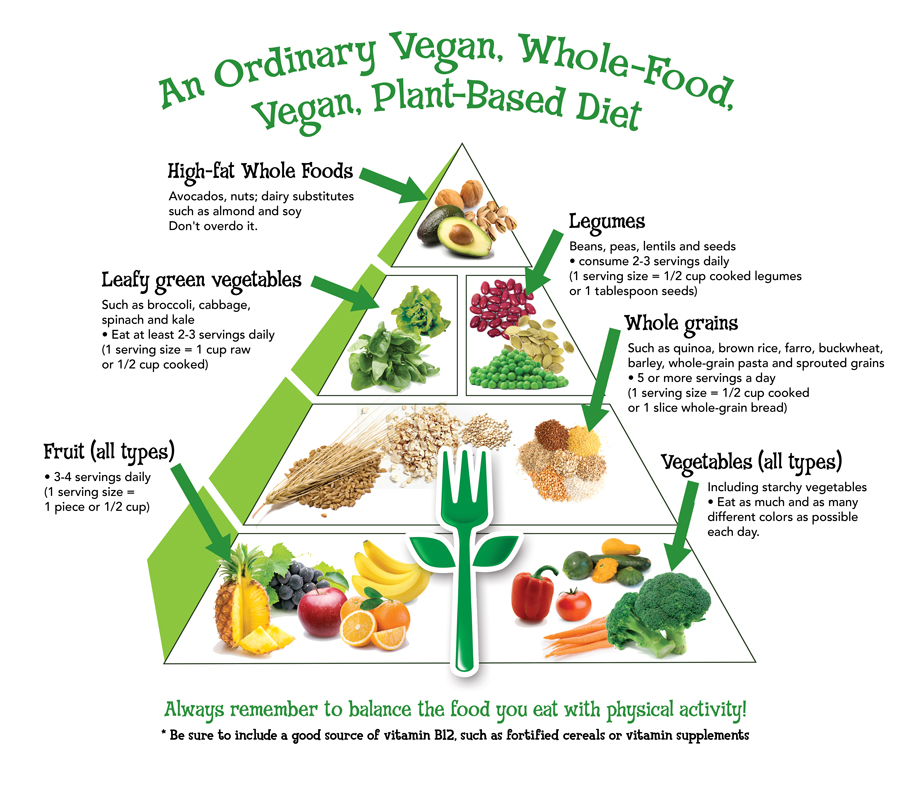
https://ordinaryvegan.net/nutrition/veganfoodpyramid/
Grow Scotland Exemplar
Recipes

Click here to view some vegan and vegetarian meals that Tops Day Nurseries include in their menus

Other book recommendations:

Transportation

  • Key idea: There are different forms of transportation – e.g. Producing a tally of the forms of transport used by children and staff, identifying more sustainable alternatives (UC6.5)

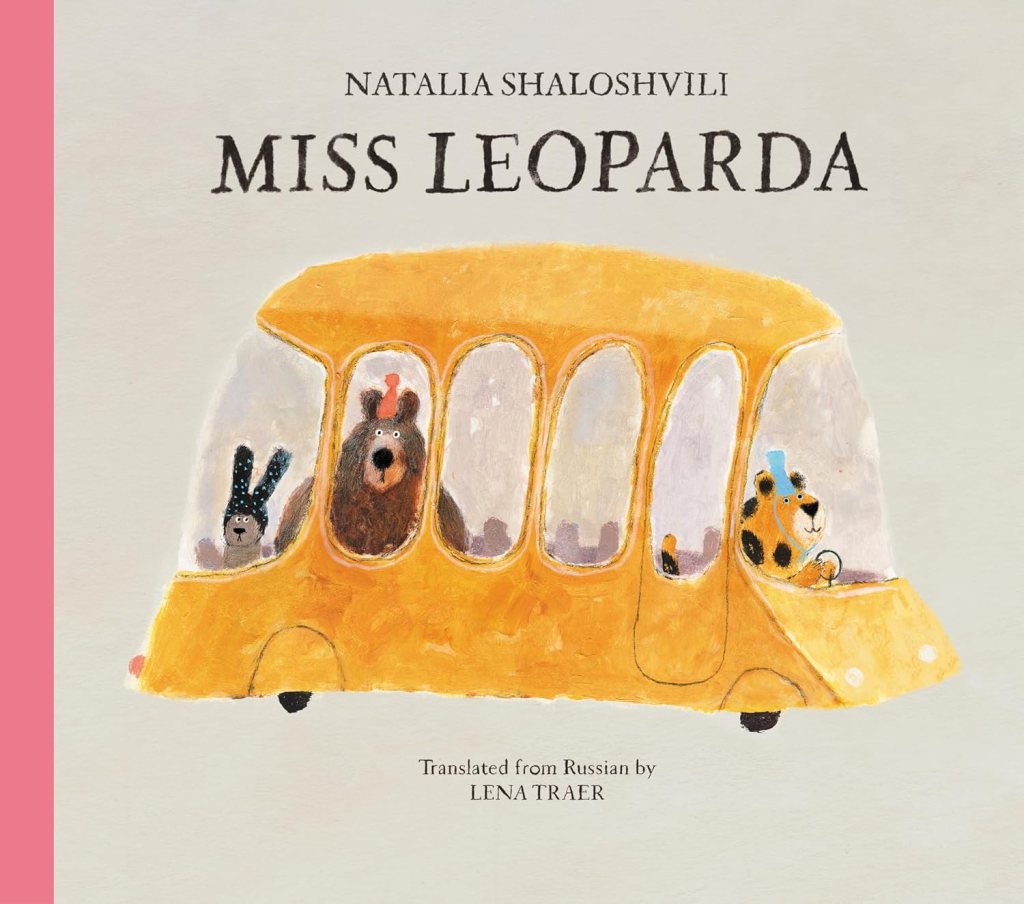
Title:  Miss Leoparda
Author: Natalia Shaloshvili
Translator: Lena Traer
Publisher:  ‎Enchanted Lion Books
Publication Date:  2024
ISBN:‎ 978-1592704125

“An ecologically minded book about a bus-loving, tree-loving, leopard”.

Emergent learning:

It might be assumed that sustainable transportation is too difficult a concept for young children to understand. But they can learn about different forms of transportation, and they can learn about sharing, and about waste, so from an emergent curriculum perspective, we provide children with the knowledge and experiences that they will be able to pull together later in their minds, to make the concept meaningful.

We can observe the progression young children make in their learning and development when we look at the increasingly sophisticated activities that they engage in during their free play.  Piaget called these activities ‘sensory motor schemes’, and there have been many books written about how adults can encourage and develop them further.  

Transportation has been identified as a particularly common scheme that children discover and find fascinating in their play. We provide more explore the idea of schemes further on our online page.

Activity recommendation:

One of the earliest Schemes that you will see children aged 2 to 4 spontaneously playing is “Containing” they often spend extended periods of time putting things into containers and then taking (dropping or pouring) them out again. If you give them the opportunity they will put themselves into containers too.  It’s a fascinating new accomplishment for them.  Another very early scheme involves following ‘Trajectories’ – This may involve throwing or dropping things, rolling things along the floor or drawing/painting lines.  When these two schemes come together in a child’s pre-verbal conception of ‘Transporting’, it involves them putting things into a container and transporting it across a trajectory.  They may be using a shopping bag, a baby stroller, a wheelbarrow or a toy truck, but once discovered, they find this combined scheme fascinating, and educators who observe the scheme can support the learning by giving them ever more varied resources to transport and to transport things in.  Most young children can be observed taking this strong interest in transporting at some point in their free play between the ages of three and five, and this provides us with an especially rich opportunity to talk about sustainable and efficient transport alternatives and about sharing public transport.

A child’s ‘Rotation’ scheme, often evident in their fascination with wheels provides another  way into the transportation topic.

Other book recommendations:

Reducing Waste through Reusing

  • Key idea: There are better ways to deal with things that you no longer need – e.g. Involve the children in Recycling, Upcycling, Reuse, Repair, Giving and Sharing activities.
  • Key idea: Sustainable waste practices aim to keep materials in use for as long as possible – e.g. Teach children to reuse things instead of always trying to buy new items.  Second-hand swop shops for books, coats, boots, toys.  Donating outgrown clothes to others or to charities. (UC6.7)

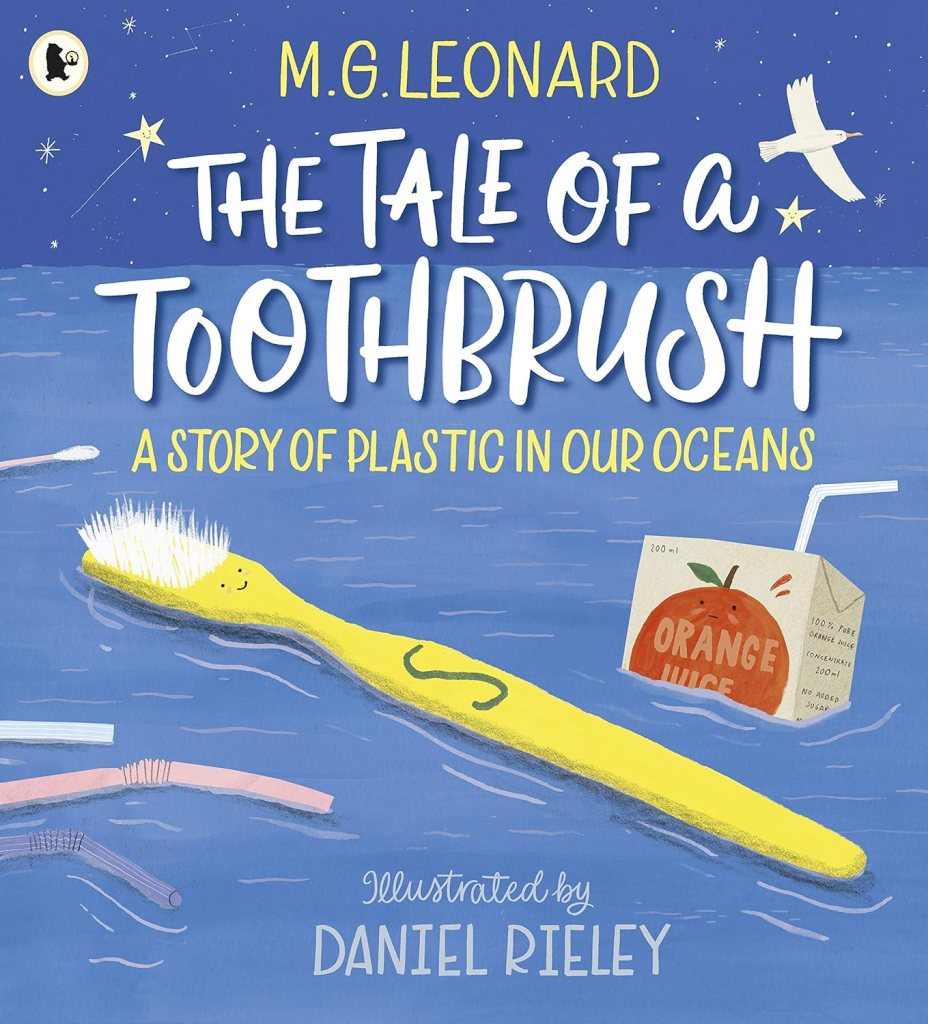
Title: The Tale of a Toothbrush: A Story of Plastic in our Oceans
Author: M. Leonard
Illustrator: Daniel Rieley
Publisher: Walker Books
Publication Date: 2020
ISBN:  978-1406391817

What happens to all our toothbrushes when they’re no longer needed? What can we do about it? What happens to other forms of Plastic Pollution?

Emergent learning:

When an item is ‘Reused’ it often doesn’t change its original form or use – as is the case of items that are upcycled or recycled.  Reuse aims to extend an unwanted products life. Often this entails finding an alternative user for items such as scrap paper, packaging, furniture or clothing. 

Disposal is the opposite of reuse, and children can learn to recognise, and even campaign against the use of disposable products such as gift wrappings, plastic cups and cutlery, paper towels and dishcloths. Many of the alternatives such as Furoshiki Wrapping Cloths, the use of your own chop sticks or multi-use drink containers are recognised as increasingly fashionable, and they make a personal statement of good taste and values.

Activity recommendation:

Children can be involved in reusing kitchen cans and jars for storage, cutting up old fabrics for cleaning, or using coffee grounds as fertilizer. Another valuable activity is to involve them in surveying your waste. Randomly emptying and sorting out the contents of your waste bin to see what might be reduced, reused, and recycled.   An old toothbrush might, in the process, find a new life as a dolls hairbrush, for shoe cleaning or even as a paint brush.

Other Book recommendations: 
Recommendation reason:

Reducing Waste through Recycling and Upcycling

  • Key idea: There are better ways to deal with things that you no longer need – e.g. Involve the children in Recycling, Upcycling,  Reuse, Repair,Ggiving, and Sharing activities. (UC5.2)
  • Key idea: Taking climate action is urgent – e.g. Invite community leaders into the preschool to explain their climate actions. Create real or pretend sustainable bazaars, action plans, silent marches, etc

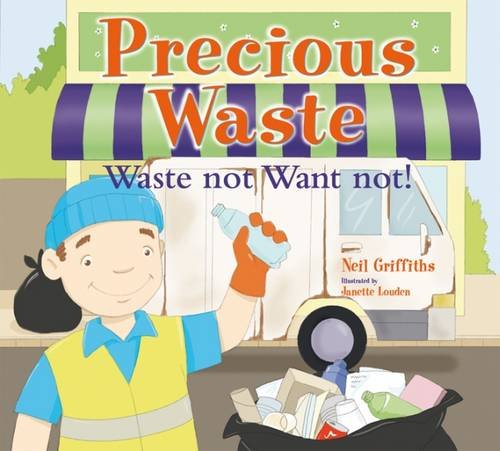
Title:  Precious Waste
Author: Neil Griffiths
Illustrator: Annette Louden
Publisher:  ‎ Red Robin Books
Publication Date: 2016
ISBN: ‎ 978-1904949152

“Refuse collector Ryan goes on a mission to change the mindset of the locals about recycling their rubbish and waste”.

Emergent learning:

Recycling is all about conserving the materials something is made from, so that it can be used to make something new.

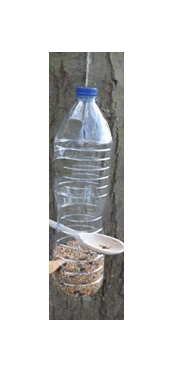
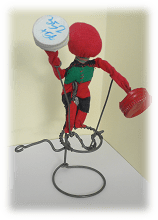
Upcycling is completely different from recycling. It is all about taking an item that would otherwise be waste and improving it in some way to make it useful again.  A plastic bottle, for example, can be transformed into a face visor for a space suit, a plant pot, a watering can, or a bird feeder.  Upcycling is highly creative, and the only limits are our imagination and our skills.  

Recycling activities encourage economy and as they involve the children in sorting, this helps them develop their early number skills. They also learn about materials which is valuable in terms of early learning in science and design and technology.

Activity recommendation:

Upcyling activities support and encourage children’s creativity. A simple bird feeder may be improvised using a plastic bottle cut with feed holes and sticks positioned to provide a perch. Having introduced the basic idea children can be encouraged to observe their feeder in action and develop modifications for improvement. The choice of food itself is also a ‘food design and technology’ activity, and

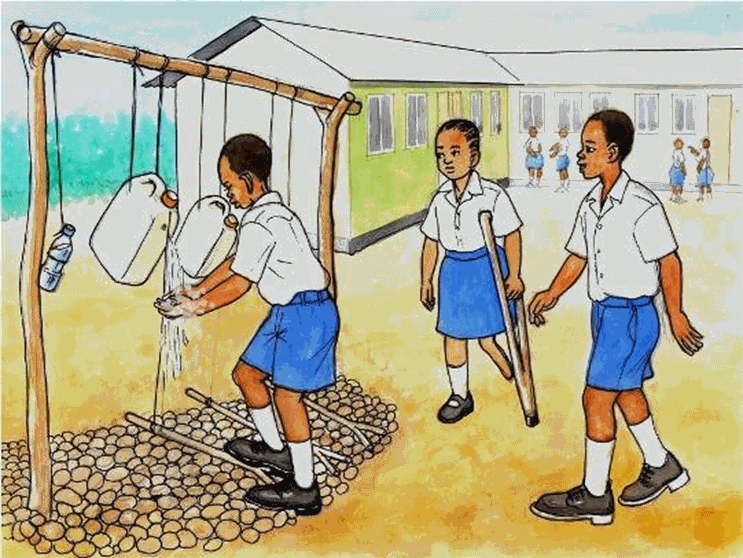
We often use Upcyling examples from the preschools of poor countries because they provide powerful illustrations of clever and creative innovations that children can learn to respect and admire.  One popular example is the “Tippy Tap” often found in rural preschools in Africa where there is no piped running water for toilets and sanitation.  To make your own, all you need is a plastic (e.g. milk/squash) bottle that you suspend with string from its handle, another string is tied between a stick on the ground and the spout so that when you put your foot on the ‘pedal’ it pours the water.  You will see a picture on our web page and you will find it’s a good way of conserving water and providing hygiene in your garden and other outside play areas.

Other Book recommendations:

Celebrating Sustainable Progress

  • Key idea: Human actions have long-lasting positive as well as negative impacts – e.g. Celebrating past actions such as when all the countries came together and agreed to tackle climate change, and local actions such as the day solar panels were installed on the public library (UC4.3).

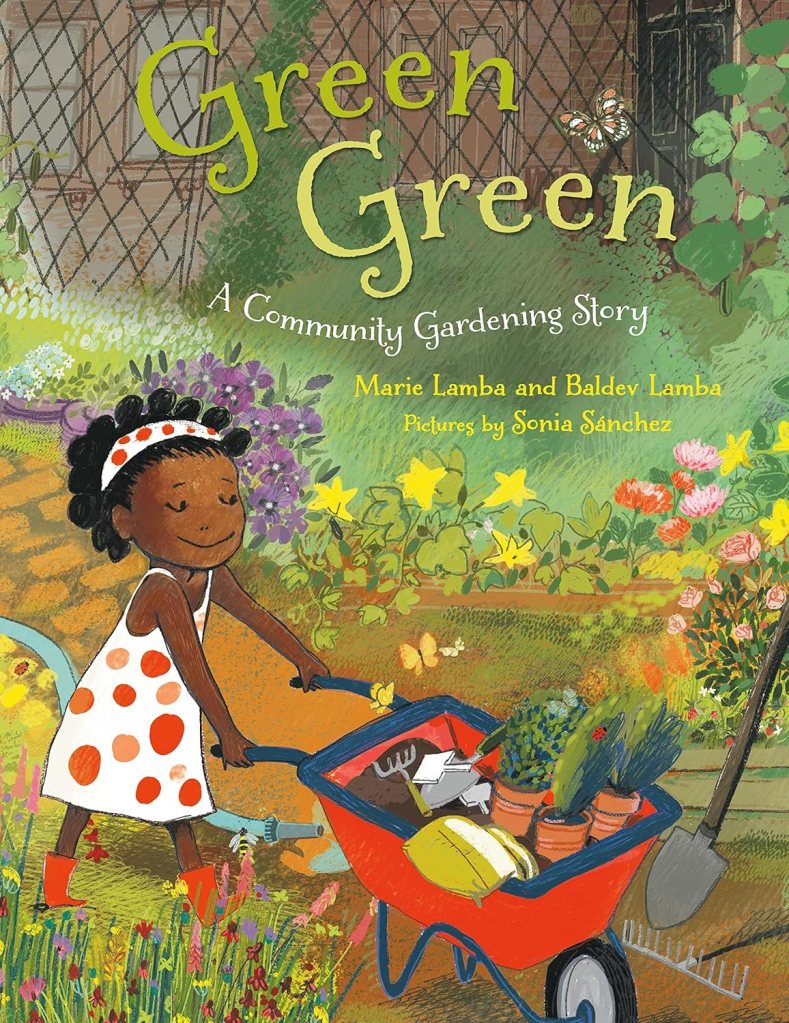
Title:  Green Green: A Community Gardening Story
Author: Marie & Baldev Lamba
Illustrator: Sonia Sanchez
Publisher:  Macmillan Pub.
Publication Date: 2022
ISBN: ‎ 978-1250858535

Children inspire the community to join together and build a garden for everyone to share in the middle of the city.

Emergent learning:

Education for sustainable citizenship is all about supporting your child in seeing themselves as a responsible member of the community, its about supporting them in adopting a positive self identity as a citizen. It is all to easy to focus on the limitations and mistakes of local government and to take achievements for granted. Having a voice and a vote is itself worthy of celebration, and it is important to remember that even the smallest sustainable developments today may provide the foundations for greater progress in the future.

If we are to encourage our children to become sustainable citizens them we must show them the pride that we take in the progress that is being made (however modest it may currently be) in all of our communities. So when you are out and about with your child, point out and celebrate your neighbours and community use of renewable energies, conservation and environmental protection, the evidence of recycling, most importantly the evidence that people CARE.

Activity recommendation:

Every year the United Nations create focused days of action and celebration for a wider range of themes associated with Climate Change, Biodiversity, and Sustainable Development. You can plan your own community activity in schools, preschools or at home. Most of the UN dedicated pages provide a means by which these activities can be shared and celebrated around the world. In September on the 20th there is “World Clean Up day”. 16th October is “World Food Day”, and 26th November “World Sustainable Transport Day”.  You will find a page providing the full list of UN on our web page. https://www.un.org/en/observances/list-days-weeks
 

Other Book recommendations:

Helping Each Other

  • Key idea: Climate effects different groups in different ways – e.g. encouraging support and empathy for different groups such as the elderly, those in more vulnerable environments locally and abroad.
  • Key idea: Who we are, and the circumstances that we live in, can create more negative experiences – e.g. encouraging support and empathy for groups and individuals treated unfairly.

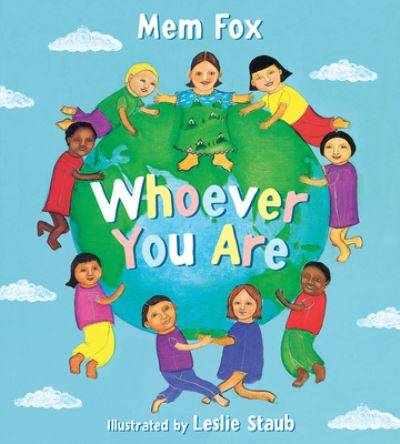
Title:  Whoever You Are
Author: Mem Fox
Illustrator: Leslie Staub
Publisher:  ‎:Houghton Mifflin
Publication Date: 2017
ISBN: ‎ 978-1328895813

“Although children around the world may look different, speak different languages, and live in different places, their hearts are the same. They all laugh, cry, and feel love just like us”.

Emergent learning:

In the context of education for sustainability the first key idea here is that Climate effects different groups in different ways. Who we are, and the circumstances that we live in, can create especially  negative experiences. Human interdependence is an ecological fact of nature, we all depend upon each other, we depend on our family, neighbours, and climate change has shown us now better than ever before how we all depend on everyone else around the world.  Yet competitive national, cultural and ethnic divisions often get in the way of us co-operating and collaborating properly to achieve peace and prosperity for everyone. 

But scientific evidence has repeatedly shown that there is more diversity within human populations and groups than there is between these groups.  Humanity isn’t divided into distinct biological ‘races’, and even gender might be considered more of a continuous, rather than a categorical variable. The physical differences between us provide complementary talents and capabilities.  

The latest research demonstrates the rich neurodiversity that we all share.  We may all be unique individuals and different, but in other respects we are all the same and we are equal.  It is social and cultural prejudices and fear that create barriers to our natural instincts to provide cooperation and mutual support, and for the sake of Peace and Sustainability education these false narratives must be countered from an early age.

Activity recommendation:

Being able to care for others and offer comfort, empathy is an important ability that children can begin to develop in their early years. Some excellent guidance is available to educators and parents:
https://birthto5matters.org.uk/inclusive-practice-and-equalities/
https://www.naeyc.org/resources/pubs/yc/nov2019/understanding-anti-bias

See also:
Siraj-Blatchford, J. (2018) Peace Education and Sustainability, Montessori International, Spring
Siraj-Blatchford, J (2008) The implications of early understandings of inequality, science and technology for the development of sustainable societies in Samuelsson, I and Kaga, Y (Eds), The Contribution of Early Childhood Education to a Sustainable Society. Paris: UNESCO

Other Book Recommendations:

Information and Disinformation

  • Key idea: We learn from many different information sources – e.g. Support the child in their critical awareness of the adult world: Consider teaching them, for example, if they are ever lost, that they should ask another parent with a child for help, and that they should give them their full name.

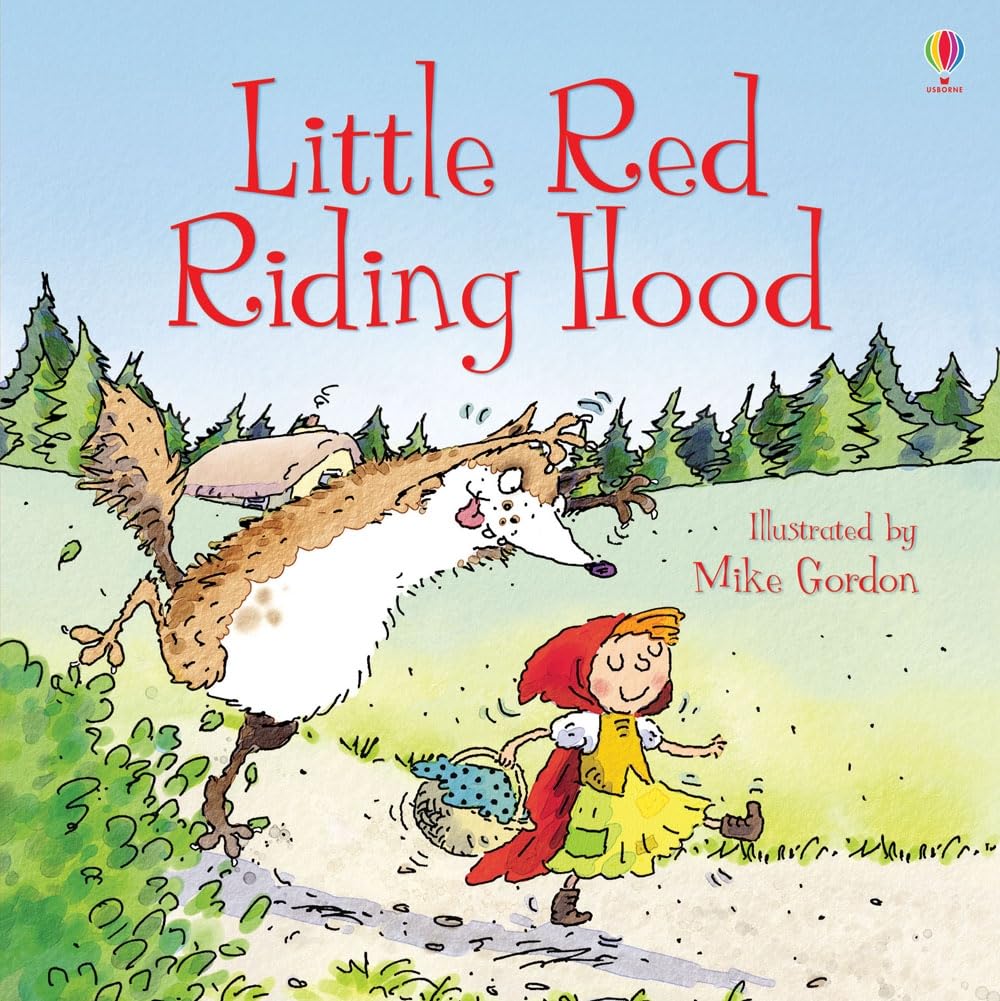
Title:  Little Red Riding Hood
Author: Susanna Davidson
Illustrator: Mike Gordon
Publisher:  ‎ Usborne Picture Books
Publication Date: 2012
ISBN: ‎ 978-1409551690

Children enjoy finding out how Little Red Riding Hood outwitted the Wolf, in this quirky retelling of the classic fairy tale.

Emergent learning:

Children are never too young to begin learning about information and disinformation, they are never too young to be critical thinkers. In fact this is considered a priority for most parents when they think of the dangers of their child blindly trusting other adults. In the UK we have ‘Stranger Danger’ campaigns that have been developed to alert children of the potential dangers of interacting with adults that are not recognised. Campaigns are increasing concerned to prepare children to say “No!” to any adult potential abuser.

Little Red Riding Hood is a traditional European story that dates back to the 17th Century and it provides a moral tale of a small girl that is at risk of being fooled by a big nasty Wolf.  Children usually love the thrill and excitement of the story and take great pride in recognising that they themselves would not be so foolish to believe what the Wolf is telling them.

Moral stories have a role in helping children safely explore their fears and concerns, they help them learn about truth and honesty, and right and wrong.

Activity recommendation:

After finishing the story, you might invite your child to think a little deeper by asking: “If you were Little Red Riding Hood, would you believe what the Big Bad Wolf was saying?” A simple question like this can help children engage more with the story and also practice thinking critically.

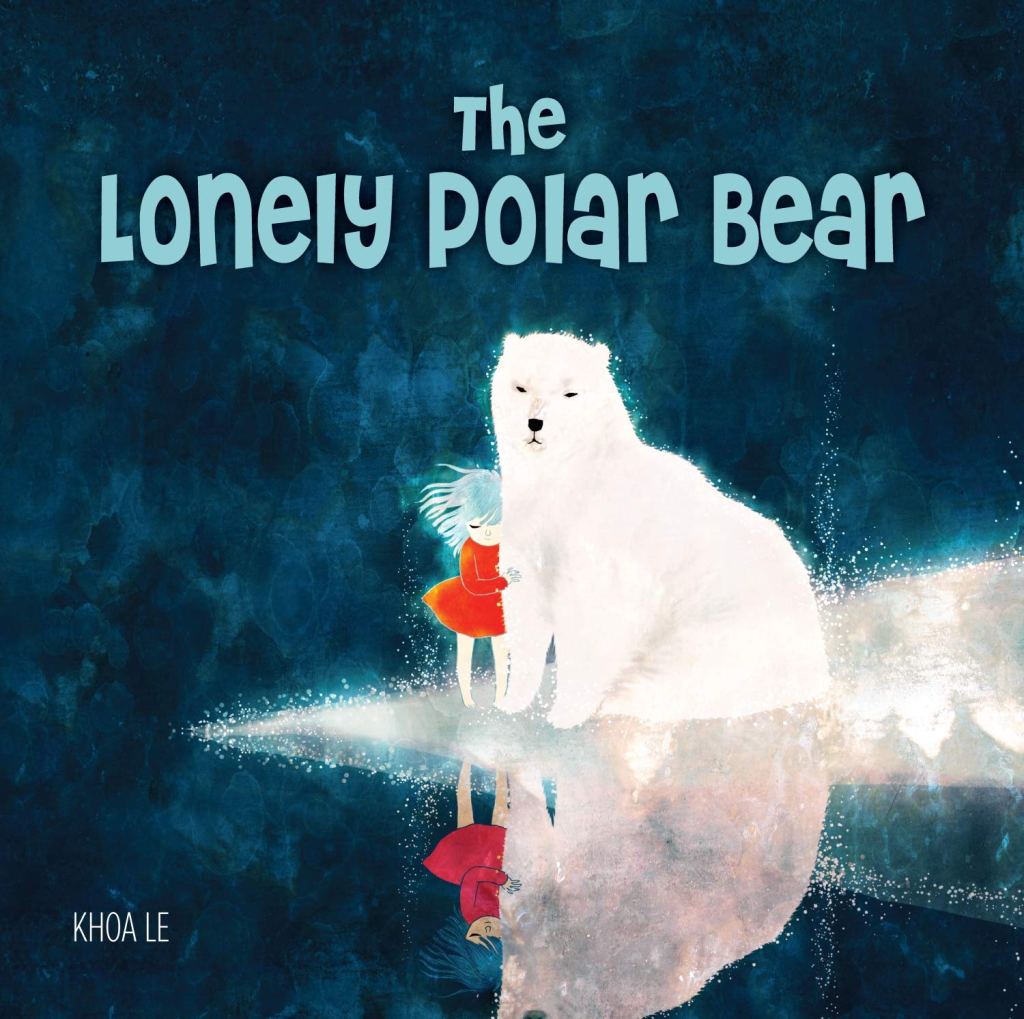
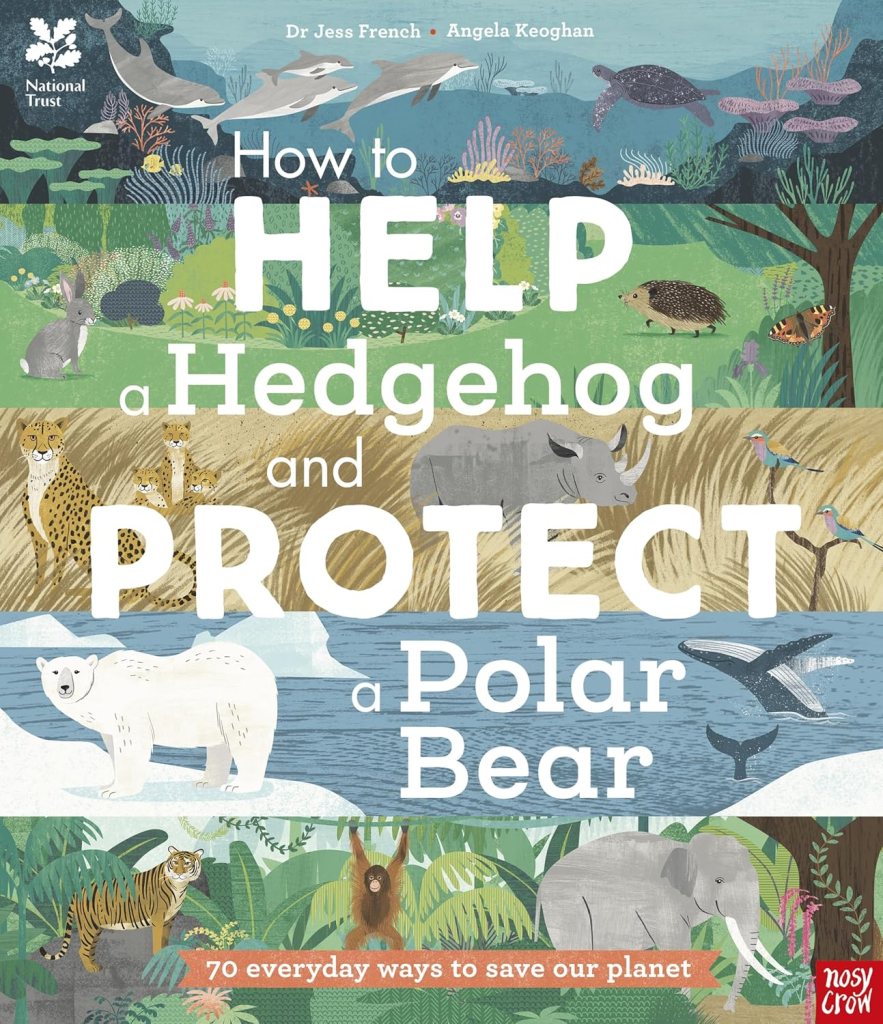
A wider practical point to be made here is that we need to recognise that the sharing of some experiences, and picture story books might be counter productive unless they are  backed up by activities that involve the child in contributing to solutions, that counter fear and feelings of despair, and encourage optimism.  A good example of a book that could be a problem if not presented appropriately in this way is Lonely Polar Bear (Happy Fox Books) by  Khoa Lee, which is all about the dangers of the melting polar ice caps. Contrast this with How To Help A Hedgehog And Protect A Polar Bear (Nosy Crow) by Jess French.

Title:  The Lonely Polar Bear
Author: Khoa Le
Illustrator:
Publisher:  ‎ Happy Fox Books
Publication Date: 2018
ISBN: ‎ ‎ 978-1641240161

“A little polar bear wakes up alone after a furious storm”.

Title:  How to Help a Hedgehog and Protect a Polar Bear
Author: Dr Jess French
Illustrator: Angela Keoghan
Publisher:  ‎ Nosy Crow Ltd
Publication Date:  2022
ISBN: ‎ ‎ 978-1788007078

“Learn how you can save endangered animals and make the world a better place, too!”

See also:
https://www.bbc.co.uk/bitesize/articles/z7sbbdm

Book recommendation:

Community Action

  • Key idea: Taking climate action is urgent – e.g. Invite community leaders into the preschool to explain their climate actions. Create real or pretend sustainable bazaars, action plans, silent marches, etc. (UC3.5)

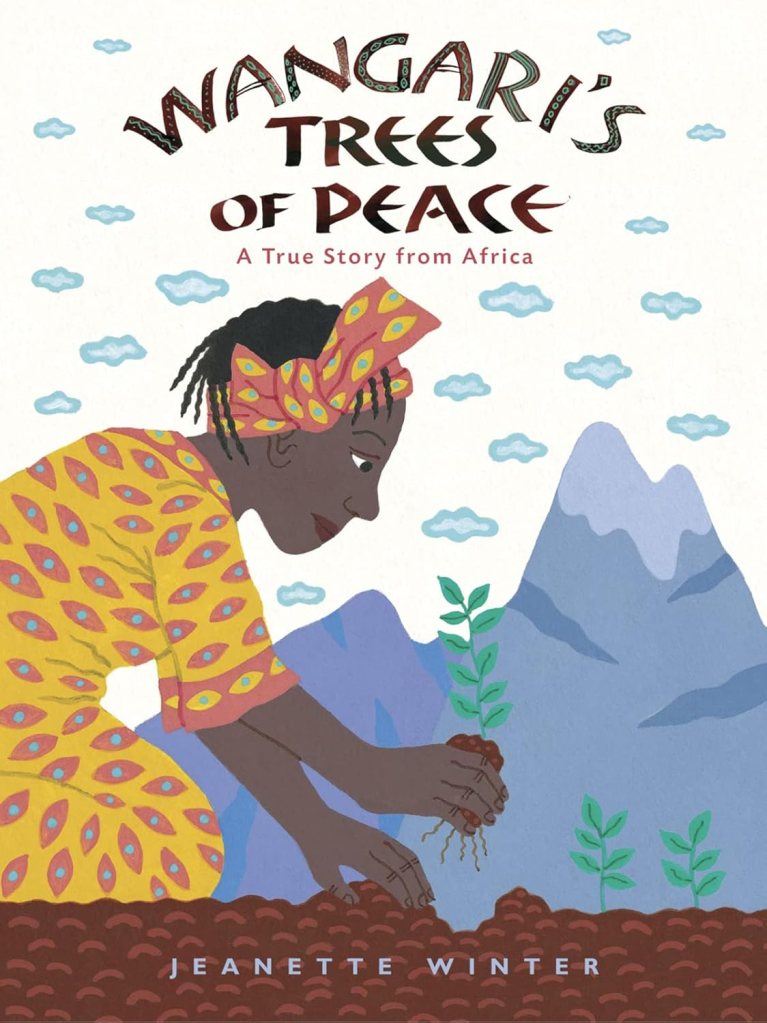
Title:  Wangari’s Trees of Peace
Author: Jeanette Winter
Illustrator: Jeanette Winter
Publisher:  ‎ Harcourt
Publication Date: 2009
ISBN: ‎ 978-0152065454

Wangari showed how a single individual doing ‘the best they can’, can inspire whole communities to take action. The life of Wangari Maathai provides an example and role model for us all. The book reminds us that even small actions can lead to big changes.

Emergent learning:

This book tells the story of an heroic Kenyan woman; Wangari Maathai, who loved nature ever since she was a child. When she grew up, she planted trees that not only changed her country but also set an example for the world. She grew up to become a University Professor, and to win the highest global honour of the Nobel Peace Prize.  Wangari’s story provides children with a wonderful role model, and contradicts any prejudiced assumptions that might otherwise be held about the capabilities of people from African, and of Women.  There is also a wonderful YouTube video well worth sharing with your children.  In the video Wangari tells the story of a hummingbird who, regardless of the challenge, “Always Tries to Do the Best She Can”.  If we all aspire to be as strong as that little Hummingbird then together we can deal with any emergency:

Activity recommendation:

Inviting local members of voluntary organisation or the local council into your child’s nursery to speak to the children may seem daunting but don’t forget most of them will have their own children and even if they don’t, a few words encouragement and advice on how to address young children will usually suffice. Climate action is urgent and we need to take action as individuals and as communities.

See also:
https://www.facebook.com/ProfWangariMaathai

Other Book recommendations:

Safety and Resilience

  • Key idea: Climate change causes extreme weather – e.g. Making preparations before a storm, and participating as a team in emergency drills for fire and floods (UC3.2).
  • Key idea: Different weather conditions can affect people’s daily lives – e.g. identifying the effects of extreme weather on the availability of food items (UC5.3).

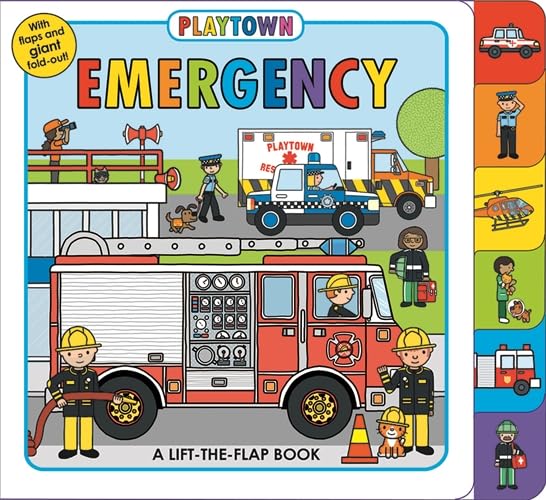
Title:  Playtown: Emergency
Author: Roger Priddy
Illustrator: Priddy Books
Publisher:  Priddy Books
Publication Date:  2016
ISBN: ‎ 978-1783412822

Children will learn about doctors, firefighters, police and rescue crews, as well as the places they work, the vehicles they drive and equipment they use to do their jobs.

Emergent learning:

Extreme weather events effect us all either directly in causing damage to our homes and lives when there are floods, winds etc. or indirectly through community shared costs and effects upon water hygiene, food production, energy disruption etc. We want children to gain confidence in knowing that with a little team work and community spirit, no problem or emergency will ever be insurmountable. 

A very positive and empowering way to introduce young children to safety as a general theme is to focus on the ‘first responders’; the people who come to help us in an emergency.  Address fears directly, fire engines are big and loud alarms are scary but if we know what to do we don’t have to worry and we can help each other.

Activity recommendation:

The main focus should be on emergency prevention, but we must also be prepared and learn about what we should all be doing in an emergency. There are picture story books to support this but a visit to the fire station or visits from e.g. uniformed firefighters and paramedics will be potentially more memorable and effective.  The trick is to prepare such visits in advance, prepare the adult professional on how to talk to young children and prepare the children for what they may learn. 

Book recommendation:

Climate Health and Safety

  • Key idea: Weather patterns and climate affects us – e.g. identifying the actions to be taken in different weather conditions, e.g.  seeking shade and providing extra drinking water during a heat wave, or holding our hat tightly, or tying it around the neck in a strong wind (UC3.1).
  • Key idea: Different weather conditions can affect people’s daily lives – e.g. identifying the effects of extreme weather on the availability of food items (UC5.3).

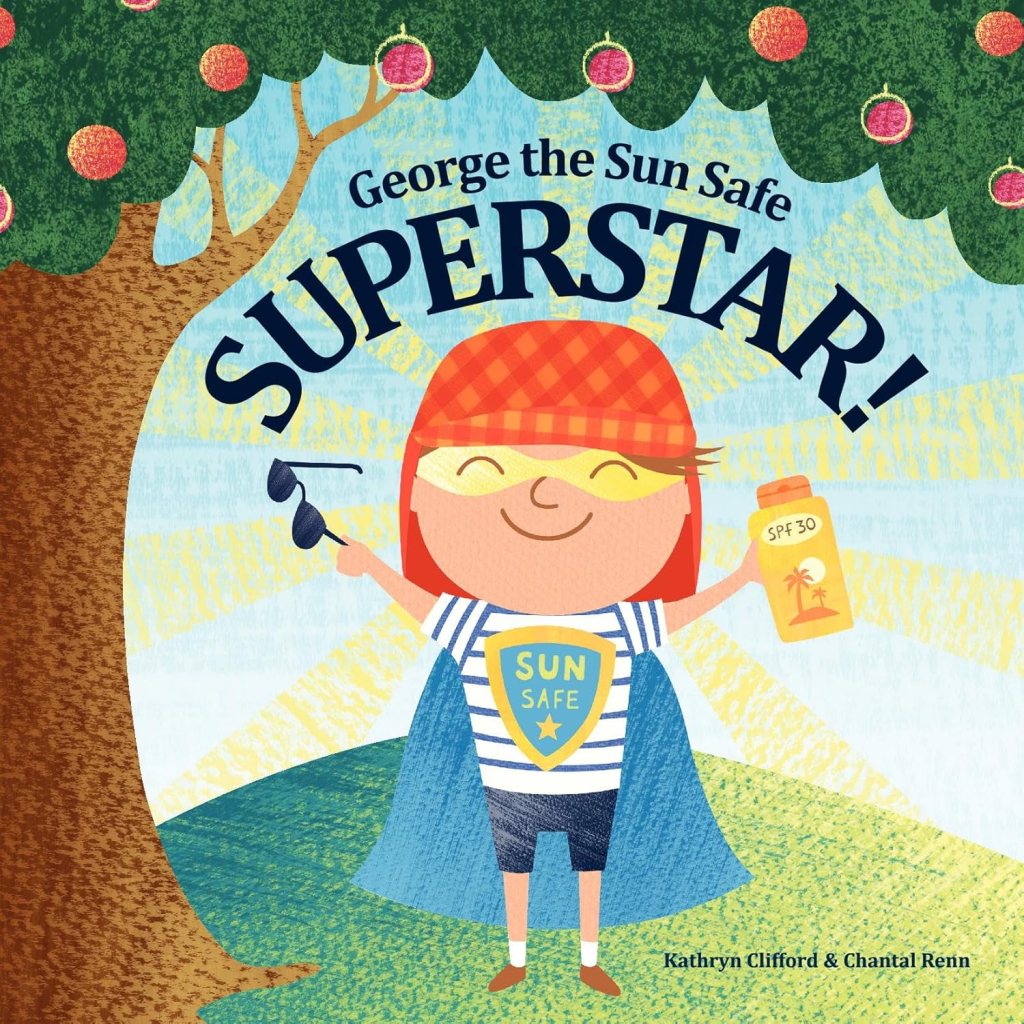
Title:  George the Sun Safe Superstar
Author: Chantal Renn
Illustrator: Kathryn Clifford
Publisher:  FastPrint Publishing
Publication Date: 2012
ISBN: ‎978-1780353173

Helping children learn about the importance of sun safety in a fun and engaging way.

Emergent learning:

We have to be careful with the Sun as it can burn our skin, and it can hurt our eyes if we look at it, but without the Sun we would freeze and have nothing to eat at all.  When the Sun is low in the sky during winter in England we may have some Apples and Pears, but in Taiwan we can harvest apples, strawberries and sugar apples.  When it gets higher in the sky during spring time, in England there is Rhubarb and Strawberries, while in Taiwan there are wax apples, mangoes and loquas.  When the sun is high above us and its hot, in England we get Raspberries and Gooseberries, and in Taiwan there are logan, lychee, pineapple and passionfruit. Later in the year as the Sun begins to become lower in the Autumn, in England we see mostly Apples and Pears, while in Taiwan there are persimmons, pomelos and starfruit. And then it all begins again with Winter, Spring, Summer and Autumn: The seasons of the year.

Activity recommendation:

Visits to supermarkets and growers, and the identification of local produce will support children’s understanding. Also celebrations of harvests, and drawing attention to the economies of seasonal local consumption of food products. Creating a seasonal greengrocer stall for the children’s socio-dramatic play provides the added advantage of supporting emergent literacy with the advertised product names, and emergent numeracy with the prices.

Other Book recommendations: