Key idea: There are different forms of transportation – e.g. Producing a tally of the forms of transport used by children and staff, identifying more sustainable alternatives (UC6.6)
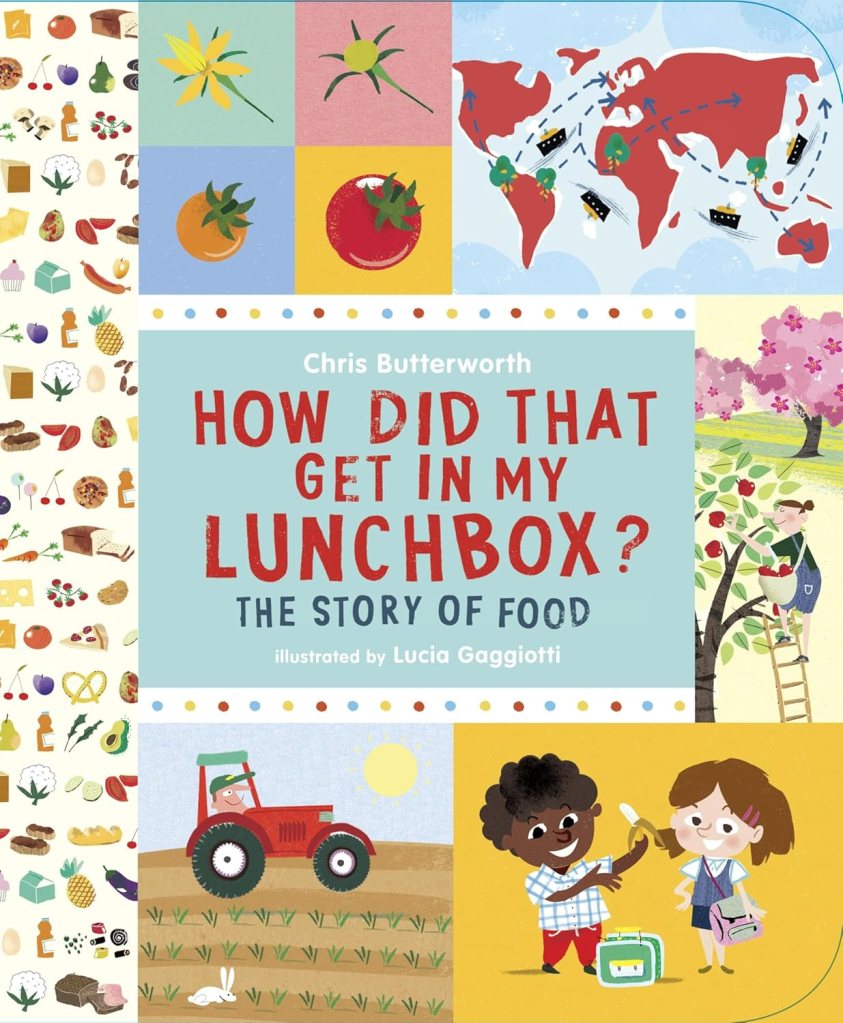
Title: How did that get into my lunchbox? Author: Chris Butterworth Illustrator: Lucia Gaggiotti Publisher: Candlewick Press Publication Date: 2011 ISBN: 978-0763650056
An engaging look at the steps involved in producing some common foods. Also some healthy tips and an introduction to basic food groups.
Emergent learning:
Being a sustainable citizen is all about making sustainable choices. It’s about being a sustainable consumer, being economic and conserving nature and its resources. As a child you can’t learn to make good choices if your parents and other adults around you make all your choices for you.
In many homes and preschools children are encouraged to choose their own play toys and activities and ‘snacks times’ also provide a great opportunity for them to learn to be more independent, how to make decisions, about making sustainable choices, about sharing, and about respecting the needs and choices made by others.
Snack time also provides a context for the development of crucial fine motor skills like pouring and cutting, for the child to improve language and math skills by discussing food, portions and sharing, and also to learn about their own appetites and food choices.
Activity recommendation:
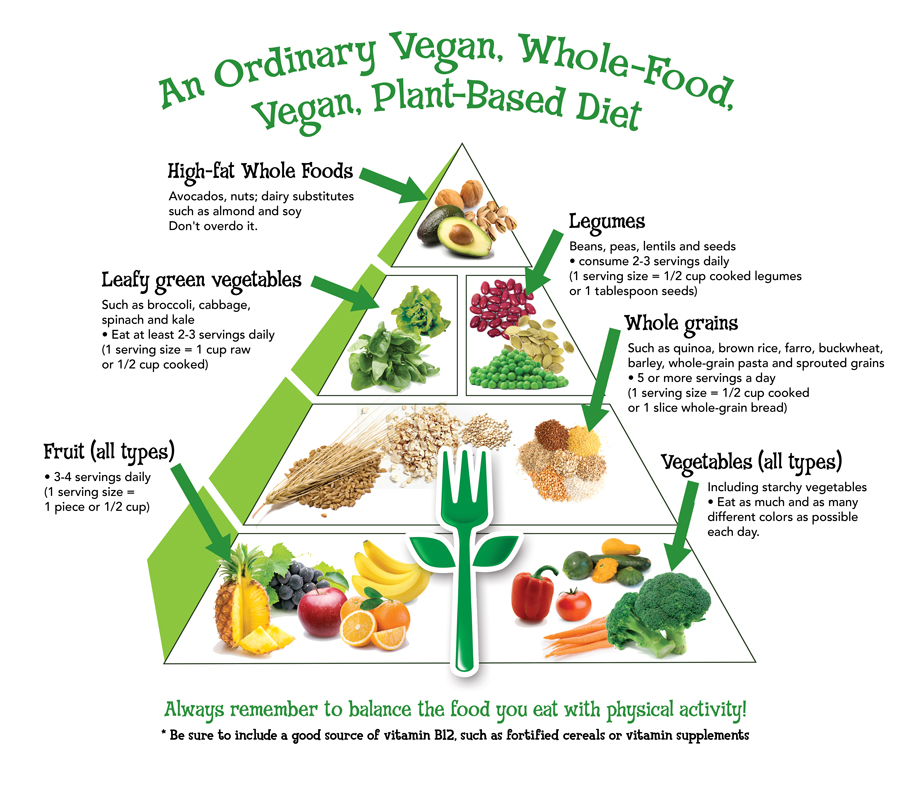
Every mealtime can be a rich educational experience, and the more we can involve the children in making choices and in the preparation of food the better. Touching, smelling and tasting the food is an opportunity to talk, to socialise, and to develop their senses, mathematical understandings and emergent science. We can also organise trips to local food producers and shops so the children can see where their food comes from. Advice to support planning of menus in the UK is available from the Soil Association and from the Food for Life programme although they are heavily meat and dairy based. More sustainable, and healthier dietary options are vegetable and fruit based. There is much to be learnt from considering studying food pyramids, including the Whole Food Vegan Food Pyramid:
Key idea: Human beings have an innate need to connect with nature – e.g. Promoting a love of nature and regular experience of its positive impact. (UC6.1)
Title: What Clara Saw Author: Jessica Meserve Illustrator: Jessica Meserve Publisher: Macmillan Publication Date: 2019 ISBN: 978-1509866601
“Can a chimp chat, or a tortoise feel teary? Do animals help each other and do they feel love?”.
Emergent learning:
What is it about nature that is so wonderful?
It is the variety, the diversity, and the ecological wonder of our recognition of natural interdependence . Every plant, animal, fish, bird insect on the planet, humanity included are part of a diverse living community, and we rely on each other and we must learn to respect each other.
In the early years it is the child’s sensory experience of their interactions with the physical environment that dominates their learning. That is why it is important to ensure young children enjoy a wider range of physical stimulation, this is also why it is important to take them out into the natural environment, and why it is important for them to gain experience of different terrains and environments, to play in, and to play with. These include different media such sand and water . Many significant environmental features are so common in the child’s life that they will not be noticed, unless we draw their attention to them. This includes the natural wildlife which needs to be protected. In early childhood education, we often guide children to love animals and cherish life. While most children can understand this idea and express agreement in words, in daily life, when they actually encounter small creatures (e.g. a spider or a caterpillar), they may still act on curiosity or impulse and harm it. While it may often be assumed that it is enough for children to spend lots of time outside enjoying the natural environment, that really isn’t sufficient in itself if we want them to learn to have care and concern for the natural world. There are serious problems in our natural environment, and we should respect our children enough to avoid hiding these problems from them.
Animals are hurt needlessly, and even sometimes killed just for sport. Climate change is another problem that we have all contribute towards, and it will have a significant effect upon our children’s lives. These subjects are constantly addressed in the media and even the youngest children ask us questions about it. We want to prepare our children for the future but many of us worry that talking about our contradictory behaviours, and the environmental dangers, and the fate of endangered species will encouraging despair and anxiety.
The answer to this apparent dilemma is help them feel that they can make a difference and to celebrate our collective human efforts to mitigate the effects of climate change. This is what educators mean when they refer to early childhood education for sustainable citizenship, its all about encouraging children to recognise that they are not victims, they have agency and can make a difference.
For health and safety reasons we draw the child’s attention to the importance of hygiene in the early years, and the dangers of steep drops, deep water, and electricity. Parents and teachers also consider topics such as changes in the weather, and our responses in terms of gaining shelter and protective clothing of value. With the advent of global warming, the child’s future understand of the subject requires that they appreciate the heating effects of the sun, and the effects of obstructions to the sun provided by shade, and the ‘greenhouse’ capture of heat that is felt whenever we find ourselves in sunlight under glass.
Activity recommendation:
Being wary of new a new environmental encounter is a good survival instinct but one way we learn to respect differences is to recognise similarities. Charles Darwin is famous for his 1859 book The Evolution of Species... but he also wrote The Expression of the Emotions in Man and Animals in 1872 and a legacy of that in recent years has been a greater recognition of the embodied nature of many human emotional expressions. We are all animals. Unfortunately children often grow up to disrespect and/or fear many animals. In some cultural contexts children may also grow up to fear even very superficial differences between people, and they may even begin to adopt cultural prejudices. This isn’t sustainable. This is why many preschools around the world ensure that their play resources include small world people and dolls with different skin colours.
We live in a world where historical conflicts and competition have often encouraged the development of fear and prejudices. Yet diversity provides the underlying strength and resilience of every ecological system. This holds throughout nature, and is equally true of every social, cultural, and commercial organisation or nation state. Creativity requires a diversity of ideas and of experience. Prejudices are undermined when we recognise that the diversity to be found within every supposed human group is actually greater than the differences between them. This applies to the nations of the world, as well as to gender and different cultural and ethnic groups. In all of this it is especially important to recognise that skin colouration is a variation that is literally only ‘skin deep’ . Modern science has shown that the outdated ideas of their being separate biological ‘Races’ were simply wrong…
Title: I do it like this! Author: Susie Brooks Illustrator: Cally Johnson-Isaacs Publisher: Kane Miller Books Publication Date: 2019 ISBN: 978-1610678261
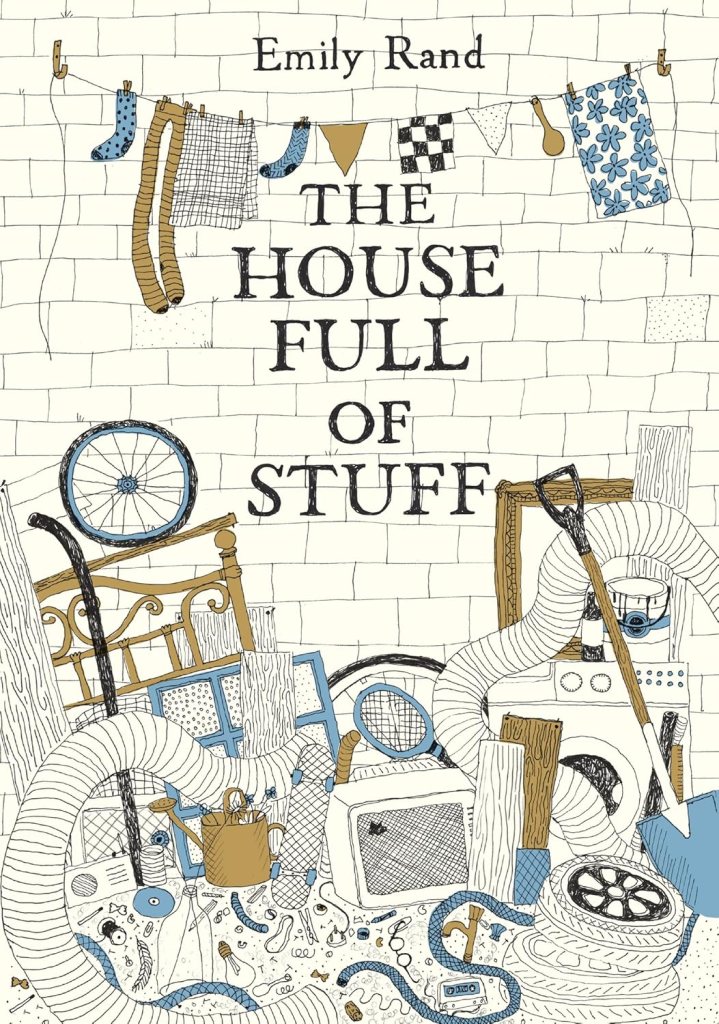
Title: The House Full of Stuff Author: Emily Rand Illustrator: Emily Rand Publisher: Tate Publishing Publication Date: 2019 ISBN: 978-1849766623
A boy befriends a neighbour who loves collecting useful junk that he uses to fix and mend things with.
Emergent learning:
Sustainable consumption requires the use and purchase of products and services that minimise the impact on the environment. As we make these decisions as adults we can share our successes and frustrations with our children so that they become critical sustainable consumers themselves in the future. To do this we need to share and review product information.
One of the things we are up against is ‘planned obsolescence’. As informed consumers we can exert our purchase power to discourage manufacturers building in early obsolescence, and we can campaign for more sustainable alternatives. Products are sometimes deliberately designed to have a limited lifespan to encourage us to make repeat purchases, but this can only increase a producers profits if we continue to buy the products. Examples include the design of products that make repairs difficult or impossible, the release of software updates that reduce the speed or functionality of older devices, and the ‘smart chips’ introduced into ink cartridges to prevent their use after a certain period or page count.
Activity recommendation:
In our preschools and at home we can share the task of making repairs – to our story books , toys and resources with the children, and we can draw their attention to the work of caretakers and other maintenance staff who care for our shared buildings, furnishings and fittings.
Popular TV series such as The Repair Shop have encouraged the development of a wide range of community repair ‘cafes’ networks and services where volunteers take pride in bringing things back to life. Community repair projects are increasingly creating welcoming spaces to bring people together, share skills and do something positive and practical together that feels really worthwhile and good! https://www.bbc.co.uk/programmes/b08l581p
Key idea: Taking climate action is urgent – e.g. Invite community leaders into the preschool to explain their climate actions. Create real or pretend sustainable bazaars, action plans, silent marches, etc
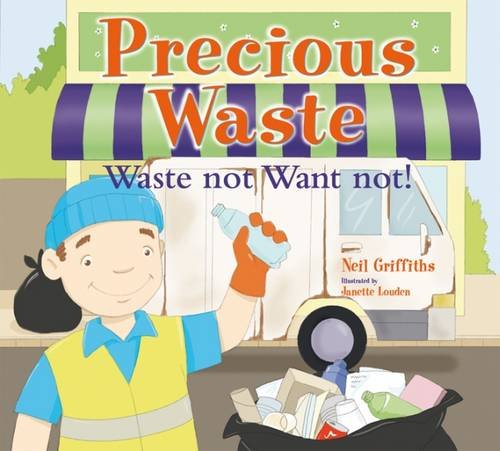
Title: Precious Waste Author: Neil Griffiths Illustrator: Annette Louden Publisher: Red Robin Books Publication Date: 2016 ISBN: 978-1904949152
“Refuse collector Ryan goes on a mission to change the mindset of the locals about recycling their rubbish and waste”.
Emergent learning:
Recycling is all about conserving the materials something is made from, so that it can be used to make something new.
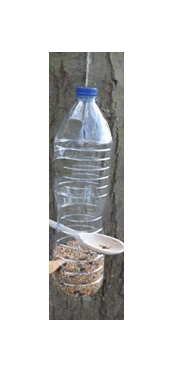
Upcycling is completely different from recycling. It is all about taking an item that would otherwise be waste and improving it in some way to make it useful again. A plastic bottle, for example, can be transformed into a face visor for a space suit, a plant pot, a watering can, or a bird feeder. Upcycling is highly creative, and the only limits are our imagination and our skills.
Recycling activities encourage economy and as they involve the children in sorting, this helps them develop their early number skills. They also learn about materials which is valuable in terms of early learning in science and design and technology.
Activity recommendation:
Upcyling activities support and encourage children’s creativity. A simple bird feeder may be improvised using a plastic bottle cut with feed holes and sticks positioned to provide a perch. Having introduced the basic idea children can be encouraged to observe their feeder in action and develop modifications for improvement. The choice of food itself is also a ‘food design and technology’ activity, and
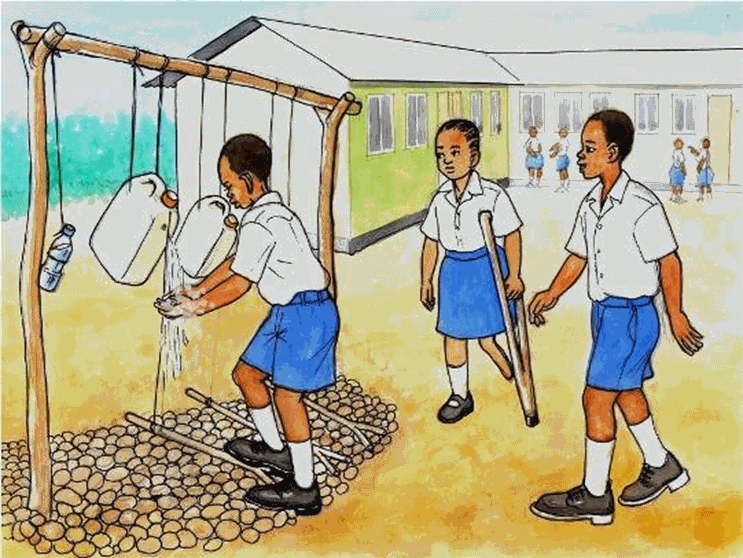
We often use Upcyling examples from the preschools of poor countries because they provide powerful illustrations of clever and creative innovations that children can learn to respect and admire. One popular example is the “Tippy Tap” often found in rural preschools in Africa where there is no piped running water for toilets and sanitation. To make your own, all you need is a plastic (e.g. milk/squash) bottle that you suspend with string from its handle, another string is tied between a stick on the ground and the spout so that when you put your foot on the ‘pedal’ it pours the water. You will see a picture on our web page and you will find it’s a good way of conserving water and providing hygiene in your garden and other outside play areas.
Key idea: Resources are essential and at the same time scarce – e.g. Identifying the difference between needs and wants and the importance of sharing (UC5.1). Key idea: Material possessions do not bring a lifetime of happiness – e.g. Making lists of needs and wants, learning about over-consumption. Playing with upcycled, and recycled toys and materials (UC6.3).
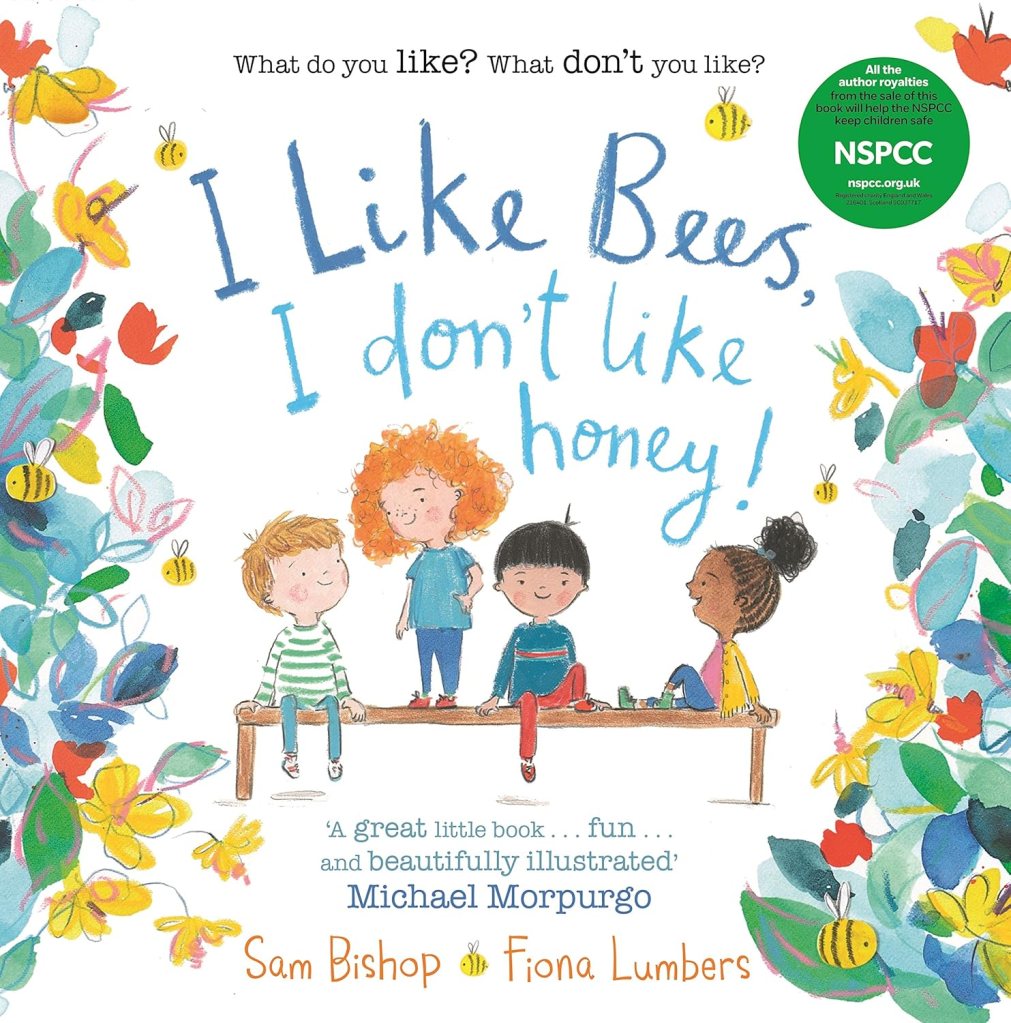
Title: I like Bees, I don’t like Honey! Author: Sam Bishop Illustrator: Fiona Lumbers Publisher: Faber & Faber Publication Date: 2017 ISBN: 978-0571334193
Encourages children to gain confidence in expressing their feelings, talking about individuality and respect for differences.
Emergent learning:
It is crucially important for us to support our children in differentiating between their Needs, and their Wants and Desires.
Nature demands that all living creatures economise. People often think of the word ECONOMY as a noun, the news reports are constantly worrying us about the state of the economy and our national wealth. But ECONOMY is much more importantly a verb – it is something we have to DO – nature demands that all living creatures must economise. Whether we are human, fish, animal or plant, if we consume all our nourishment, if we destroy our environment – we will perish. Humanity has infinite wants and desires, but we have finite resources, there are limitations to food, clean air, water, and energy.
Activity recommendation:
Around the World, parents and early childhood educators often talk about the 6 – 9 R’s of sustainable economy: Reduce (use less), Refuse (if you have had enough), Repair (rather than Replace with new), Reuse, Repurpose and Recycle . Sometimes another R – to Rethink (outside the box) is included and Rot may also be included in recognition that composing is so important, and land fill waste disposal so damaging. These R’s of sustainability provide us with a checklist of crucially important activities that we can draw our children’s attention to, and engage with them in carrying out.
In extension to this we can usefully take the opportunity, when appropriate, to critically differentiate between what is often seen as the self-evident relationship between Technology and Progress:
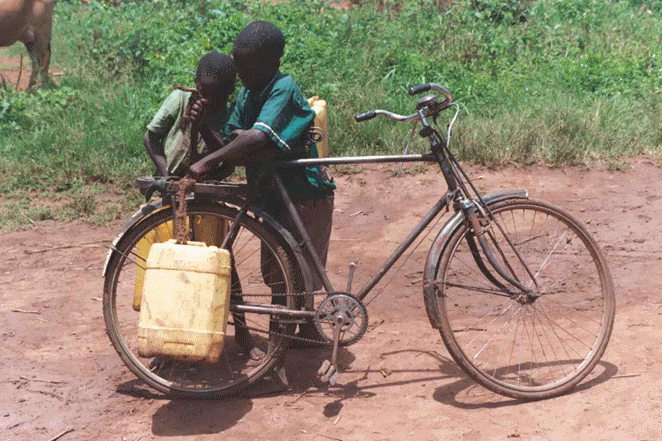
Which is …the best Technology?
An aircraft that knocked 200 minutes off the time it took to transport 100 people from London to New York (Cost: £20 Million+)?
…Or a bicycle that knocked 200 minutes off the time it took to transport a day’s supply of clean water to a village (Cost: £40)?








 Involve Me