Human Impact and Role

  • Key idea: The impact of humans on biodiversity –  .g. Comparing the wild life populations of cities, rural and wilderness areas (UC2.5).
  • Key idea: Human protection of nature is essential – e.g. Stewardship activities in support of local wildlife, providing bird tables, bat and bird boxes, bug hotels etc. (UC2.6)
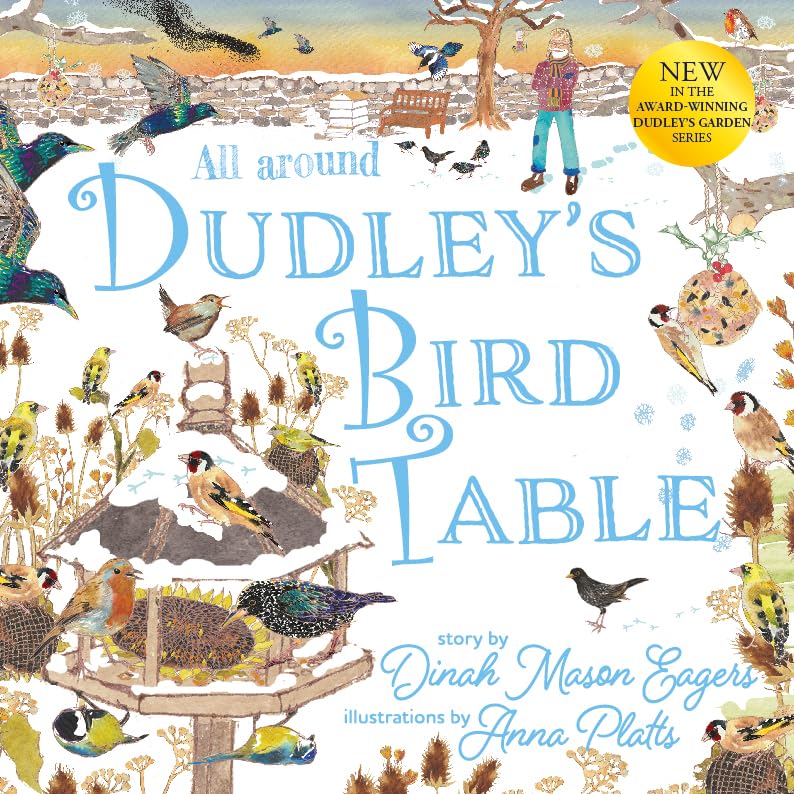
Title:  All Around Dudley’s Bird Table
Author: Dinah Mason Eagers
Illustrator: Anna Platts
Publisher:  Crumps Barn Studio
Publication Date: 2024
ISBN: ‎ 978-1915067678

A delightful story about Billy and Betty Bluetit, Robin, Mr Magpie, and all the other birds who visit Dudley’s Bird table.


Emergent learning:

Where wild flowers, hedgerow and trees are lost due to building and industrialisation we can involve the children in planting and growing and restoration projects. The children can also contribute to local food production through pre-school gardens and community allotments. In terms of animal wildlife, in England we often see Bluetits, and we have recommended the above book for parents and educators in Taiwan as well. But Bluetit’s don’t fly to Taiwan, although they do have Blue Magpie’s there, which in England we don’t, and in Taiwan they have Wren’s, Robin’s and Starlings, and many more birds that children can learn the names of such as Barbet’s and Bulbuls, Sparrows and Pigeons – and the children can put out their own seeds and water to support them.  In fact there are many activities that children can engage in to support the local wildlife, in addition to providing bird tables, they may make and/or install bat and bird boxes, and bug hotels.  In the process they will begin to learn about, and learn to care about, animal feeding habits, habitats, and migration patterns. If we encourage international preschool partnership projects the children can also learn from each other, and learn that all around the world people car and are working towards a more sustainable future. One example for Kenya.

Activity recommendation:

The impact of human settlement on the natural world is obvious as soon as we begin to compare the wildlife to be seen in the countryside to that in the inner cities. There is a wonderful free Smartphone App that has brought a great deal of joy to many families – it recognises bird songs, giving you the name of the bird, and further information that you can share with your children. It is called the Merlin Bird ID, produced by Cornell Labs – download it online, from Apple Store or Google Play.

Reference: https://merlin.allaboutbirds.org/

Other Book Recommendations:
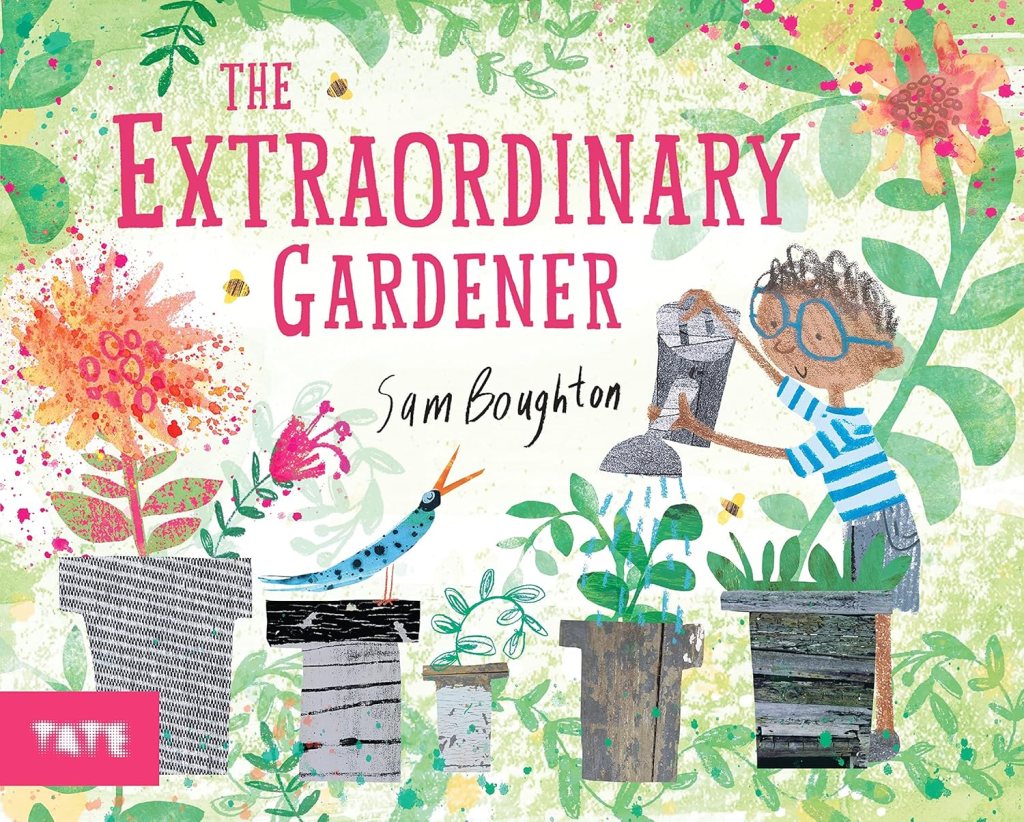
Title:  The Extraordinary Gardener
Author: Sam Boughton
Illustrator: Sam Boughton
Publisher: ‎ Tate Publishing
Publication Date:  2020
ISBN: ‎ 978-1849766890

Where our food comes from

  • Key idea: The food we eat comes from plants and animals. – e.g. Identifying different sources and production methods of food (UC2.4). 
  • Key idea: Different weather conditions can affect people’s daily lives – e.g. identifying the effects of extreme weather on the availability of food items (UC5.3).

Title:  Where Does My Food Come From?
Author: Annabel Karmel
Illustrator: Alex Willmore
Publisher:  ‎ Welbeck Children’s Books
Publication Date: 2022
ISBN: 978-1783128594

This is a fully illustrated non-fiction picture book that shows young children how their favourite foods are grown and made and provides child-friendly recipes for each food.

Emergent learning:

There are two key ideas here: Firstly, the food we eat comes from plants and animals. Second, different weather conditions affect people’s daily lives through the food that we eat. It is important that we involve children in the preparation of food, and that we talk with them about the choices that we make, and about the economic and health reasons for these choices. WE can also talk about where ingredients come from and about transportation costs.  Our recommended story book this week includes child-friendly recipe ideas for different foods and we can encourage the children to prepare some simple dishes on their own which will also support them in learning more about the ingredients and where they come from.

Activity recommendation:

Much can be done on this theme on visits to a supermarket or grocers and taking photos and note of what is displayed at different times of the year.  Large global wall or floor maps can be used to sort picture cards of foods (cut with the children from magazines or advertisements).   In most cultures around the world there are harvest celebrations at different times of the year and local and World news report regularly on thew quality of harvests. If our children are to grow up to value nature, then it is important that we should take advantage of these opportunities to talk to them about the importance and our dependency upon harvests from an early age.

We have also found that food production and cookery activities often offer particular appeal to children who are demonstrating an interest in ‘Rotations’ in their play – they love to stir…

Other Book recommendations:

We all depend on Nature

  • Key idea: We need nature – e.g. learning how the natural environment provides resources for food, clothes, houses, etc. (UC2.3)

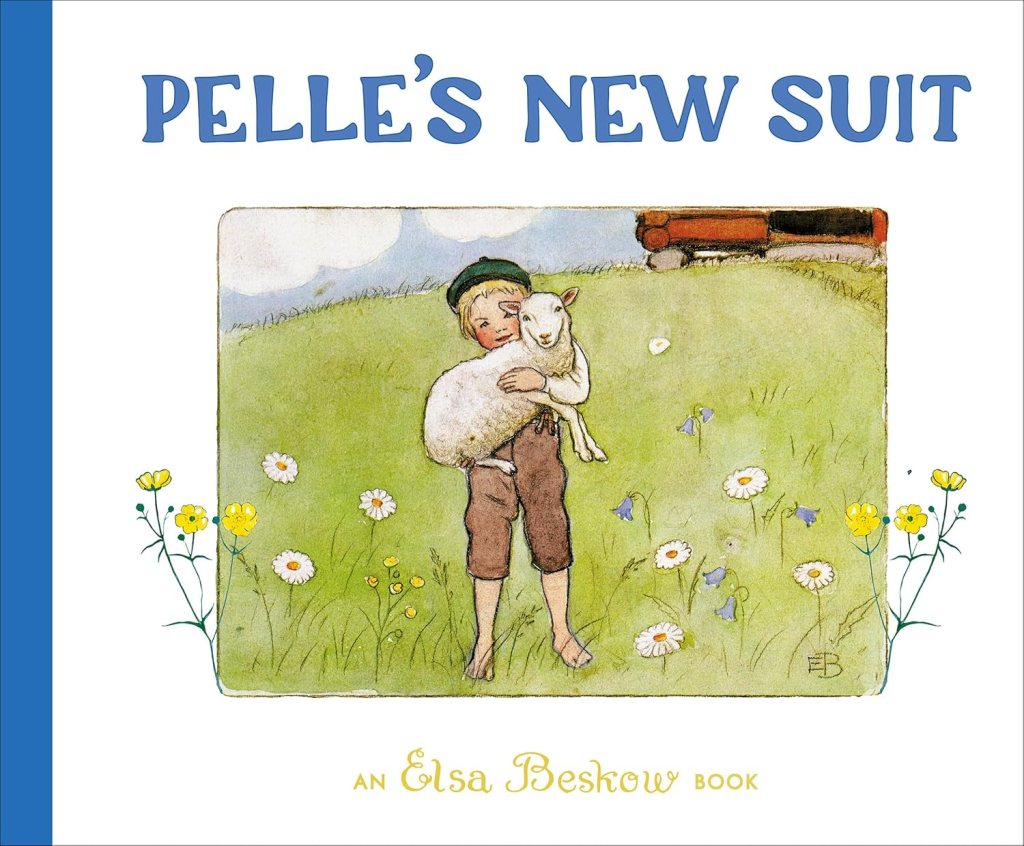
Title:  Pelle’s New Suit
Author: Elsa Beskow
Illustrator: Elsa Beskow
Publisher:  ‎ Floris Books
Publication Date: 2021
ISBN: 978-1782507659

Pelle shears his lamb and learns about bartering, traditional wool crafts, and how woolen clothes are made in the process of gaining a new suit.

Emergent learning:

Emergent learning involves the children learning through ‘doing’, so here we can involve them in using natural ingredients to make food and natural materials to make items of clothing and model buildings.   The topic provides a good excuse to tell (or have the children tell you) the popular story of the ‘Three Little Piggies’, but then to draw upon their own collections of stones, sticks and straw, stacking them up (as model houses) to test them for strength and stability.  We can make the connections with clothing and natural materials  through simple weaving and threading activities, and we can make natural dye’s with them.  Our next recommended story book includes child-friendly recipe ideas for different foods.

Activity recommendation:

We can also create thread with the children, a little raw fleece can be collected from a fence or hedgerow on a country walk (or purchased). We can show them how a drop spindle works, and how traditional spinning wheels did the job better.

See also: https://www.instructables.com/spinning-yarn/
https://joyofhandspinning.com/how-to-make-a-drop-spindle/
https://youtu.be/3h3DePzT1Bo?si=ckdqX5i1SdJilGWL

Book recommendation:

Recommendation reason:

Extinctions

  • Key idea: Some animals used to live on our planet and are now no longer here (such as dinosaurs) – e.g. Learning about dinosaurs and more recently extinct and threatened species near where they live (UC2.2).

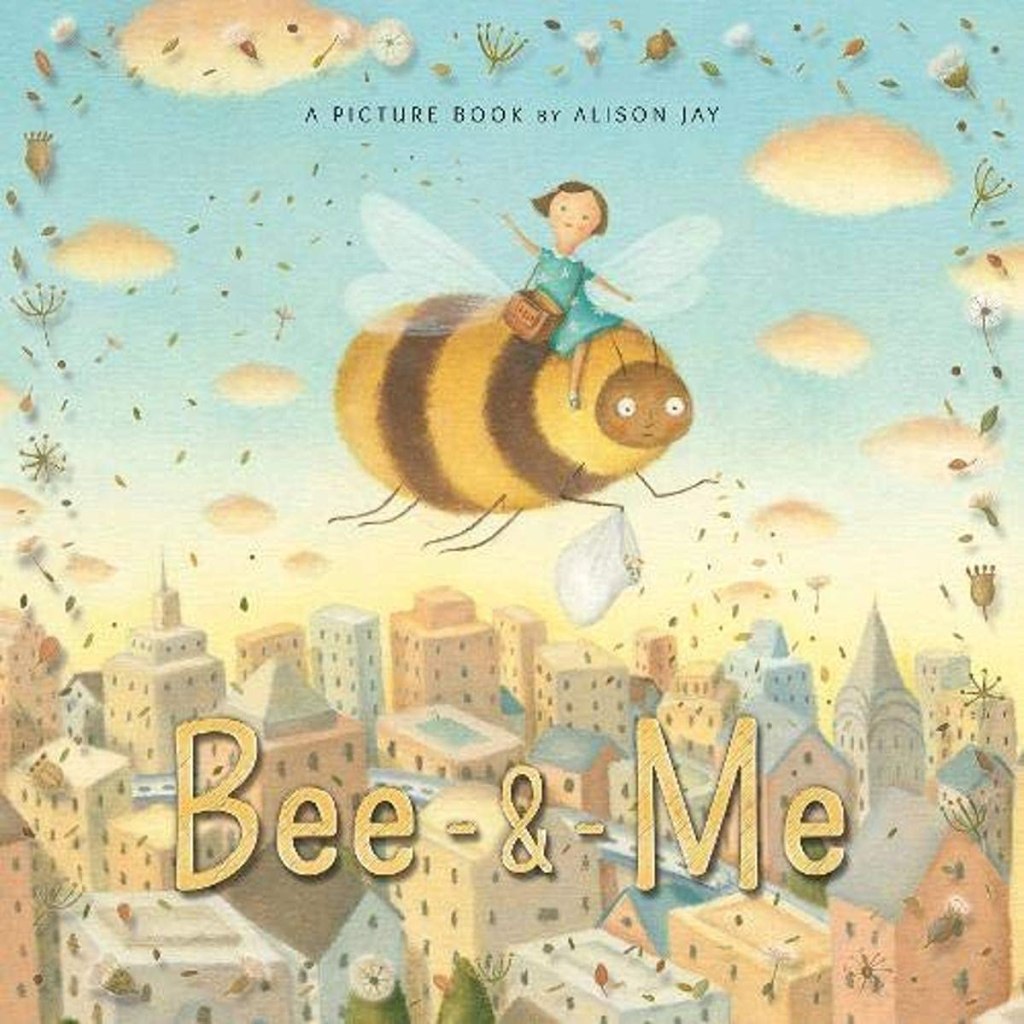
Title:  Bee and Me
Author: Alison Jay
Illustrator: Alison Jay
Publisher:  Old Barn Books
Publication Date: 2017
ISBN: 978-1910646199

Read the pictures and follow the growing friendship between a girl and a bee. The book provides an introduction to ecology and shows how some simple actions can help restore beauty and balance in our environment.

Emergent learning:

The foundations of learning about these issues in early childhood is best achieved begins with the child’s involvement in the protection of endangered species in their own local environment.  Our book this week is all about Bees, but there are other important pollinators like butterflies that we can also support through putting out water, and planting nectar or pollen-rich plants that flower during the winter.

Animal conservation is a really important topic in early childhood and it is relevant far beyond the common concerns for protecting celebrity animals like Lions and Tigers, Elephants and Rhino, and our closest relatives the Great Apes.  We are losing our biodiversity and insects play a crucial ecological role in food production. It has been estimated that as many as 1,000,000 plant species which may have important medicinal value, remain unclassified in the world’s wilderness areas.  All of this potential may be lost, as many of those previously discovered and classified are already extinct or endangered.

Activity recommendation:

Many children have an interest in Dinosaurs, and, as their closest living relatives, wild Birds show many similar physical characteristics that children find fascinating. There are numerous other book title that refer more generally to wildlife conservancy and  suggest things each of us can do to make a difference.  Children can provide feed and water for wild birds, they can be involved in providing bird and bat boxes.  Parents and teachers involved in voluntary organisations such as Greenpeace and wild life charities have citizen science projects and we can involve our children in these activities. It’s worth inviting enthusiasts into schools and preschools to share these interests with the children, other parents and teachers as well.

Other Book Recommendations:

Ecological Interdependence

  • Key idea: Ecosystems are animals and plants in interaction with each other. –  e.g. identifying animals that eat other animals, and some that eat plants.

Title: Yum Yum: A book about food chains
Author: Mick Manning
Illustrator: Brita Grantrom
Publisher:  Franklin Watts Ltd
Publication Date: 2014
ISBN: 978-1445128986

This is a book about eating. It’s also about being part of a chain – the food chain in which every living thing plays a part.

Emergent learning:

Food webs, and the water and carbon cycles are of critical importance to ecology and environmental sustainability.  Following our ‘emergent’ learning perspective, here again, our aim will not be to teach young children these cyclical theoretical models, but to give them the knowledge and experiences that will make them meaningful to them when they are introduced to the topics in school.  They can observe and learn about what different animals eat and most especially they can be directly involved in composting, and our adult support of a balanced and ecologically thriving soils.

‘Interdependence’ is one of most important ideas in sustainability education and we can support children’s understanding of this through continually stressing the enormous contribution that species that might otherwise considered quite humble, like the fabulous Earthworm, makes every day to the sustainability of our natural world. 

Activity recommendation:

‘Rotation’ is a cognitive scheme, and theme that is often observed to be a strong feature and of particular interest to young children in their free play.  Children’s attention is therefore easily drawn to the fascinating wheels and circles that abound in the natural and built world. 

Parachute play provides a fun opportunity to support collaboration and co-operation. The children need work together, they need to spread out around the chute and all participate for it to work. Parachutes suitable for use with babies and older preschoolers are available from most educational suppliers, and there are lots of ideas for developing the play online.
TES Free printable booklet

Other Book recommendations:

Sunshine

Key idea: Sunshine heats the earth’s surface – e.g. Identifying the effect of the sun heating  playground furniture, surfaces, trees etc.,  and the extra warmth that we feel when entering a conservatory or greenhouse (UC1.2)

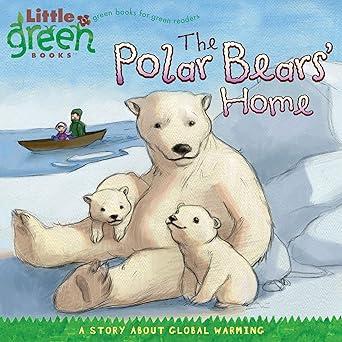
Title: The Polar Bears’ Home: A Story About Global Warming
Author: Lara Bergen
Illustrator: Vincent Nguyen
Publisher: Little Simon
Publication: 2008
ISBN: 9781416967873

The picture book tells the story of travel on snow and water to the Arctic. The story suggests a lot of things that we can collectively do to reduce global warming, like recycling and making less waste.

Emergent learning:

If we adopt an emergent approach to learning science, we shouldn’t begin by teaching children the phrase ‘Global Warming’, they simply wouldn’t understand. But in early childhood we can still help them to begin learning about it.

To do that we must ‘involve them.’ We must at first encourage them to feel the heating effects of the Sun and to recognise the greenhouse effect that glass windows and roofs have on trapping heat. It will then be a small step for them to later learn that ‘greenhouse gases’ are acting just like glass in overheating our planet. We can take them to places where they will feel the additional heat. We can identify the effect of the sun heating playground furniture, surfaces, and trees, and the extra warmth that we feel when entering a conservatory or greenhouse.

Activity recommendation:

Children can create their own greenhouses, using recycled bottles or jars, seeds and soil – they can grow their own plants out of season.

Children can also set up a ‘controlled experiment’ to see what happens if we provide a second batch of seeds, in the same soil and with the same amount of water but without the ‘greenhouse’.

Other Book Recommendations: 

Weather and Climate

  • Key idea 1: “Weather” describes daily experience, while “climate” describes weather patterns over many years, e.g. Identifying different local seasonal weather conditions, and also the different climates of countries around the world (UC1.1).
  • Key idea 2: Everyone needs sustainable living spaces, e.g. Learning about clever indigenous housing designs from around the world (UC6.4).

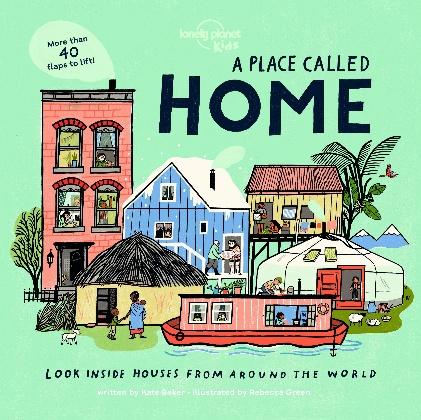
Title:  A Place Called Home: Look Inside Houses Around the World
Author: Kate Baker
Illustrator: Rebecca Green
Publisher: Lonely Planet Kids
Publication Date: 2020
ISBN: 978-1-78868-934-2

This book introduces houses from all over the world, and helps us understand how people live in different places.

Emergent learning:

We cannot teach children the science of Climate Change and Global Warming in the earliest years but if they are to understand it later, they first need to know what CLIMATE is. At first, children learn about WEATHER, and then they learn that Climate means something different to Weather. We can help children learn about weather through daily conversation about the rain, wind and temperature.

It’s only when children have differentiated between different weather conditions, we can talk about weather as a subject. Likewise, when we are ready to talk about “Climate” with children, we need to first give the child a lot of examples of different climates.  When we introduce children to the subject of Climates, we can do this by talking about the way people live in different countries, because the local climate effects what they eat, how they dress, and how they make our homes. We all need nutrition, clothes, and houses and we can show children how clever people around the world create these things in different climate conditions.

Activity recommendation:

We can incorporate climate awareness in their play with small world animals – in many Montessori schools, children are given large continental floor maps to play with – they place the animals on the continents they live in – we can do that with picture cards showing food, clothing and houses as well.

Other Book Recommendations: