Categories

A Visit from Njeri and John

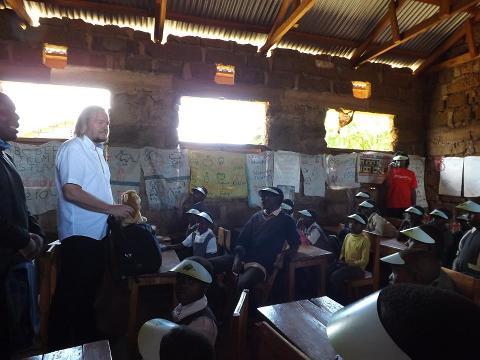
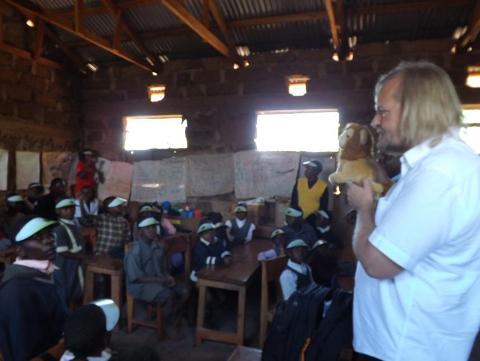
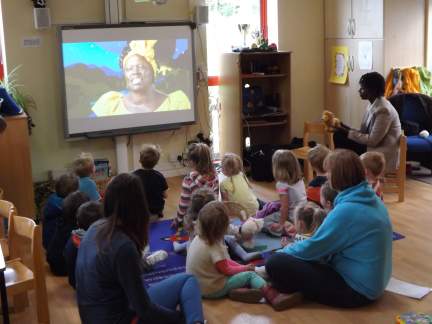
Njeri and John visited the preschool on the 13th May to tell us all about the OMEP World project on Education for Sustainable development and Intergenerational Dialogues. They also showed us the Kenyan video by Wangari Maathai: “I will be a Hummingbird“.

LMT1

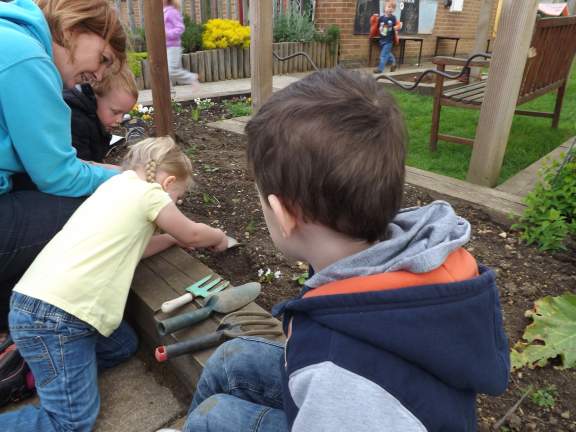
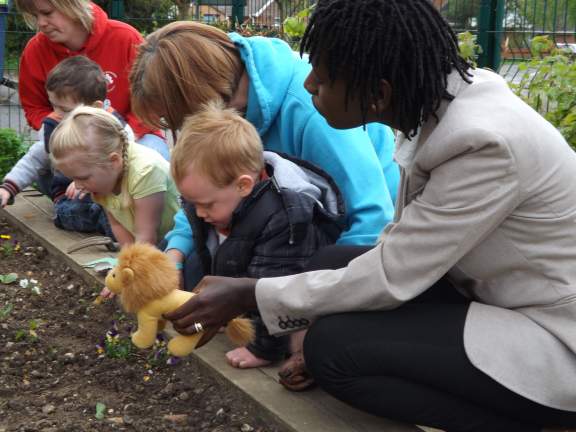
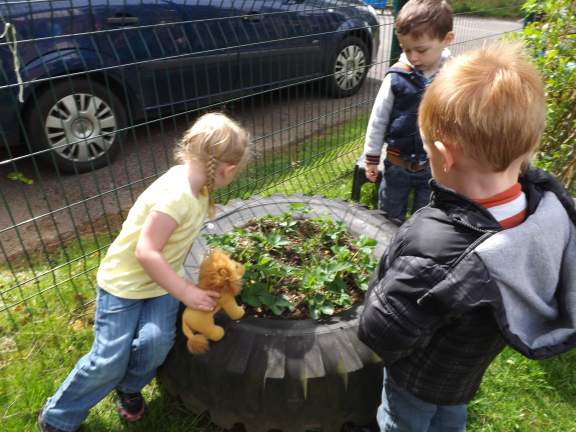
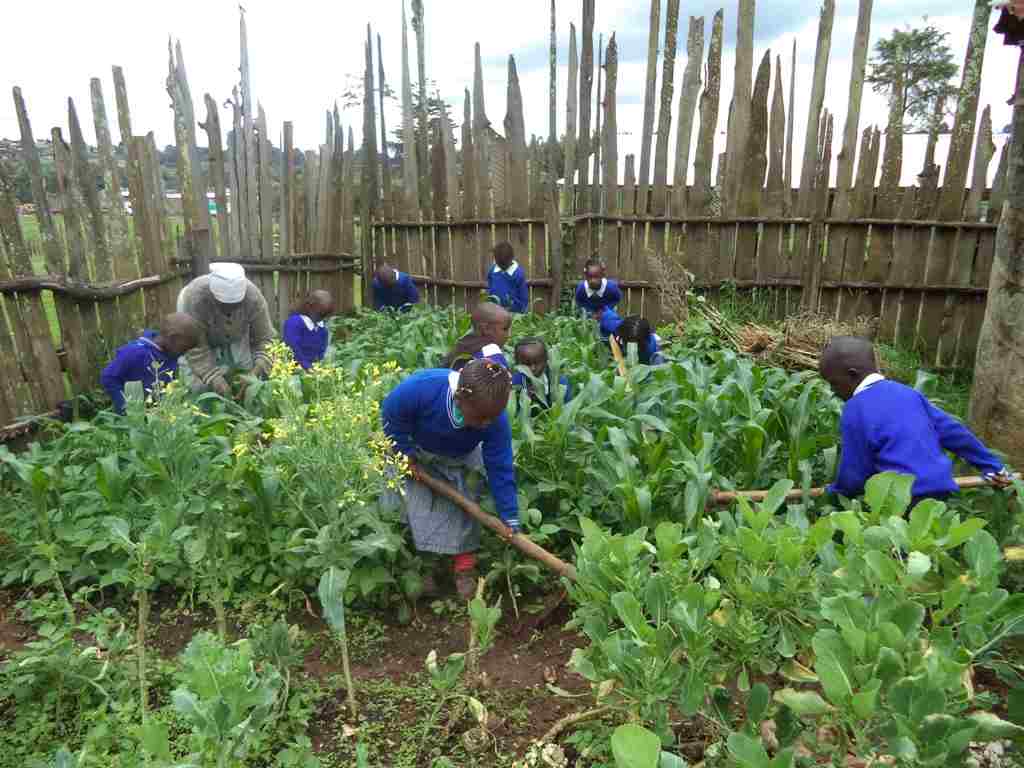
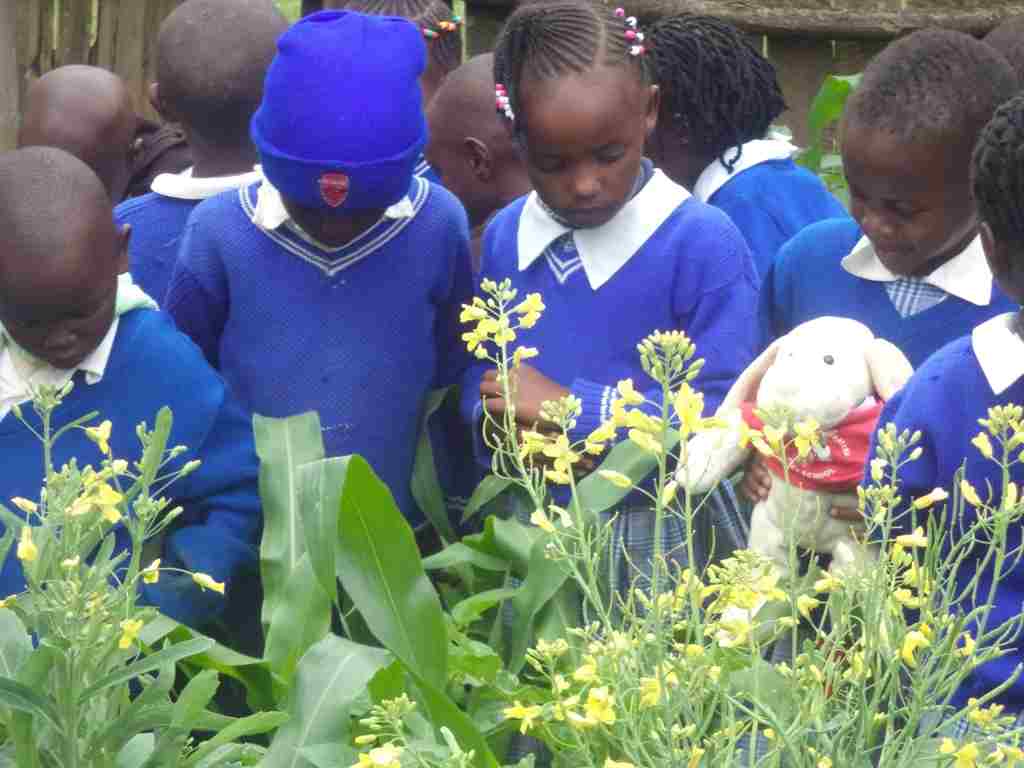
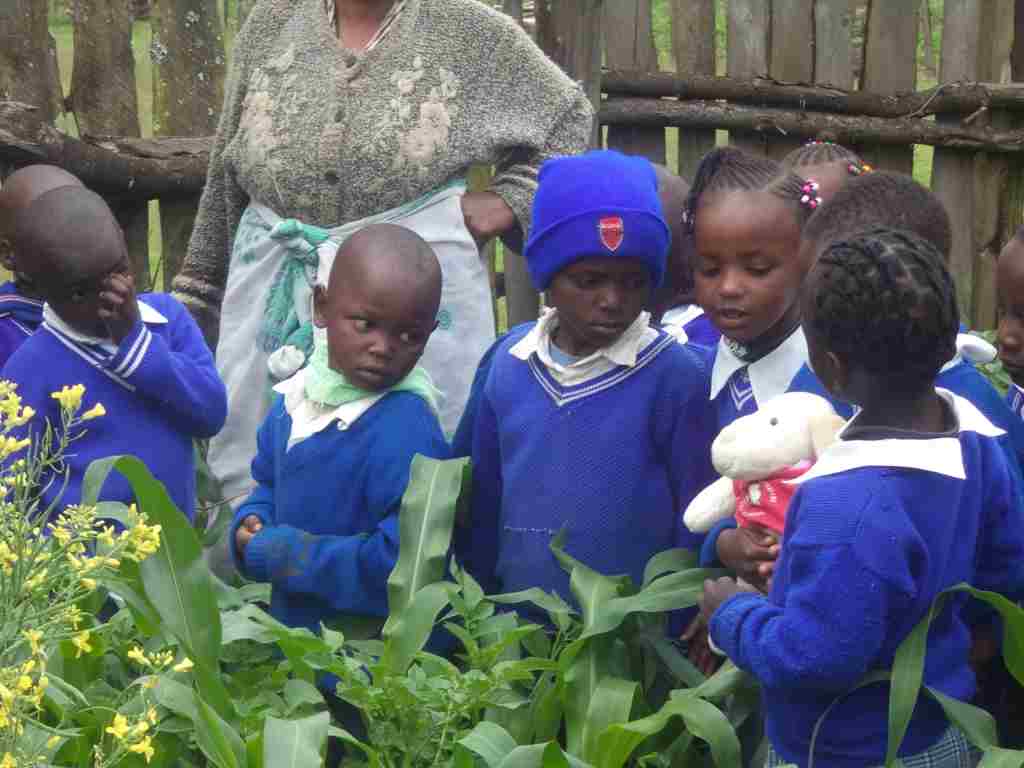
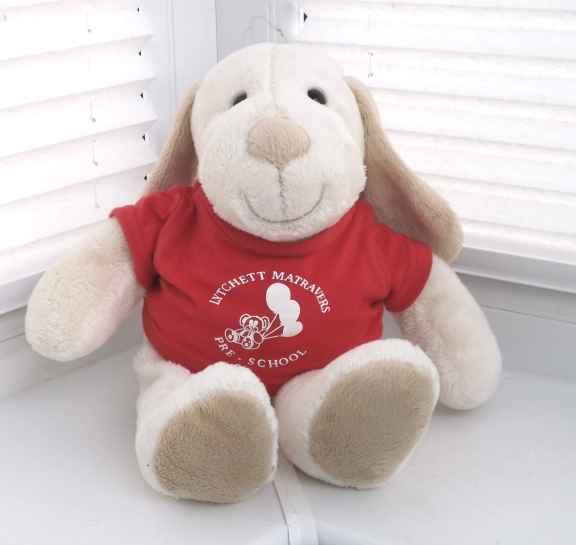
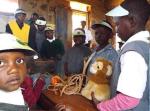
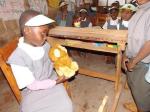
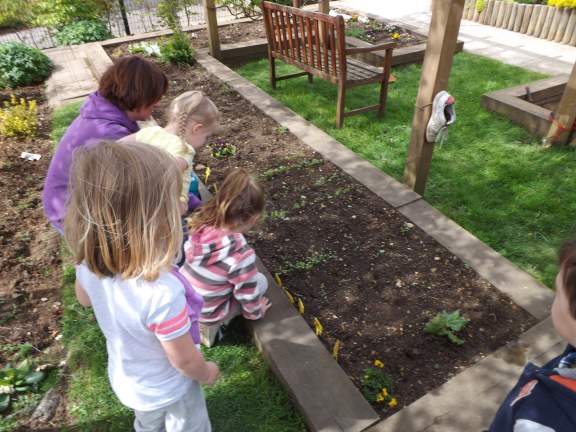
We showed Njeri, John  and Simba all the things we were growing in our garden at Lytchett Maltravers.

LMT2 LMT3 LMT4LMT5

How to Grow Maize: An inter-generational dialogue

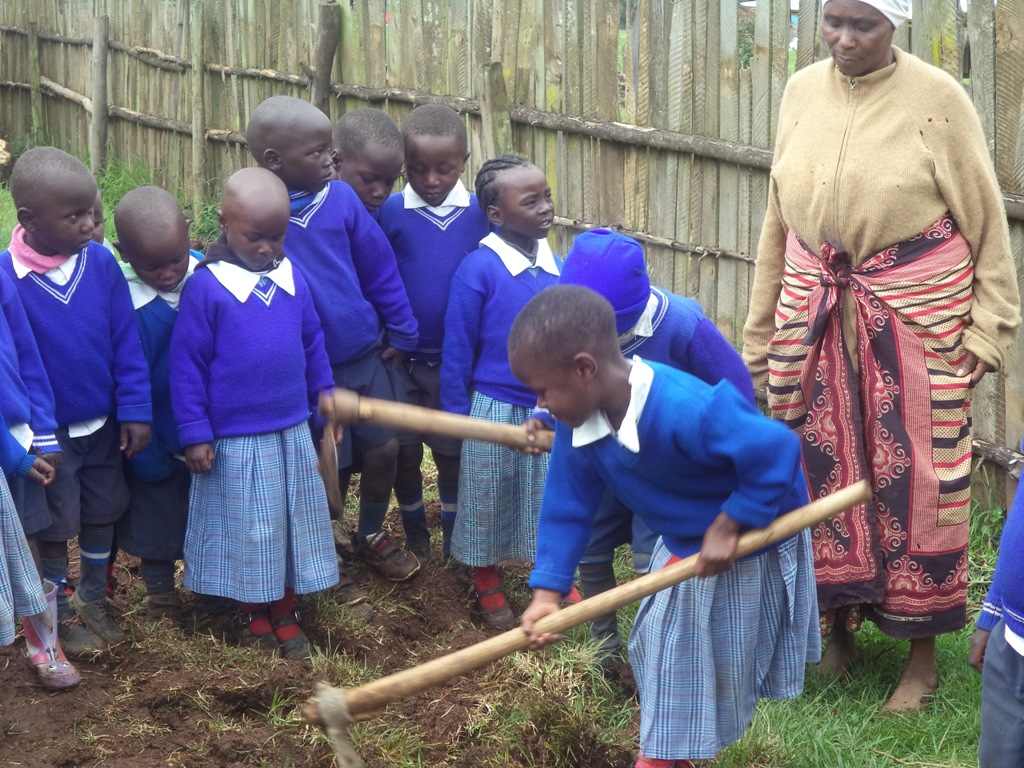
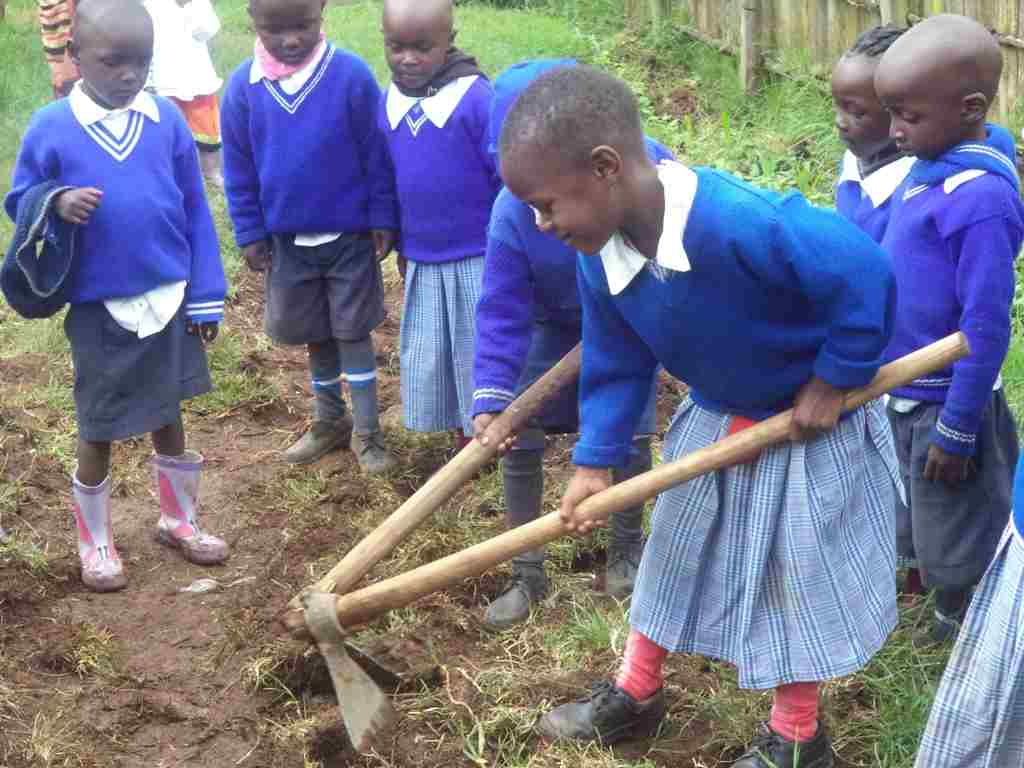
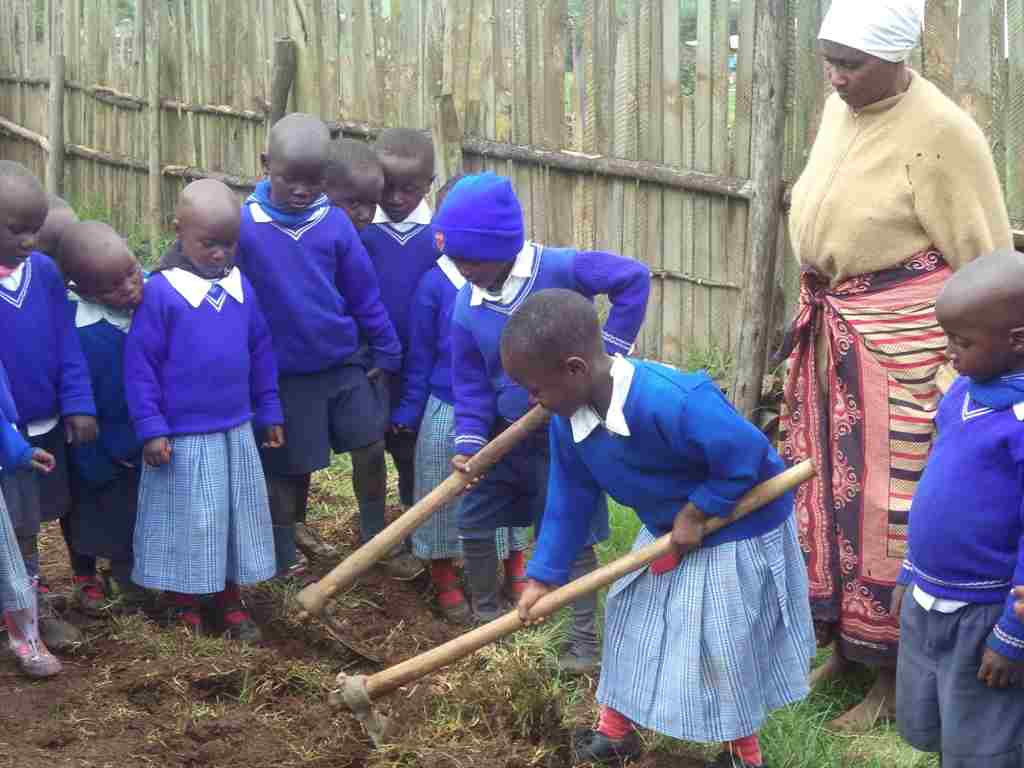
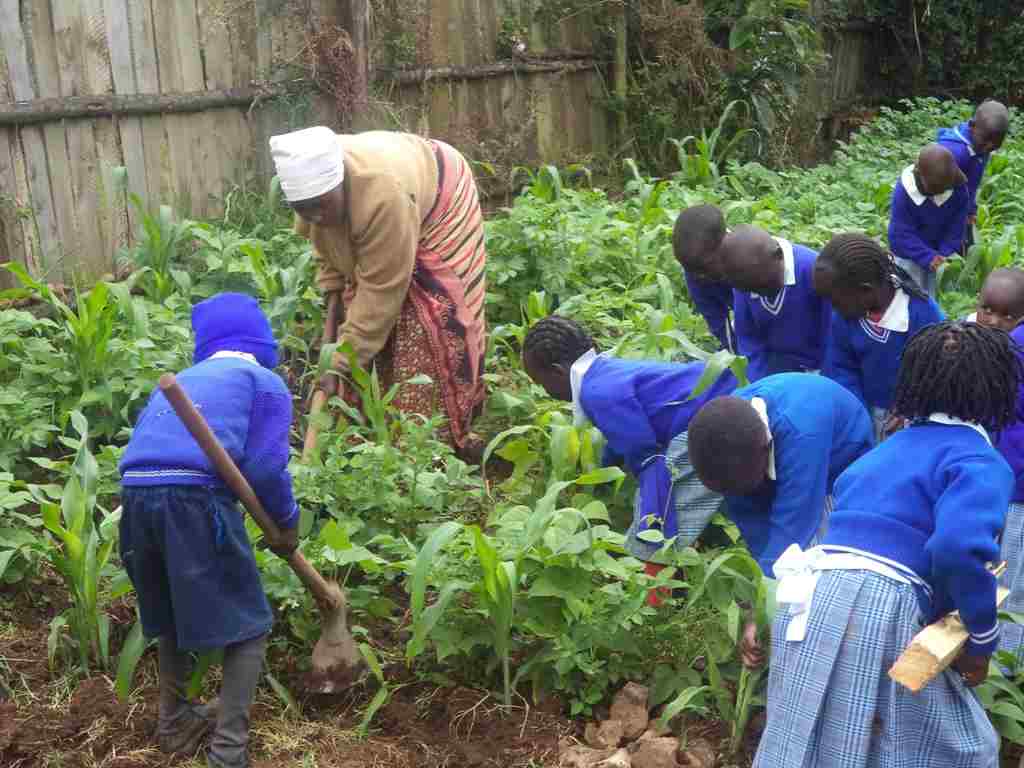
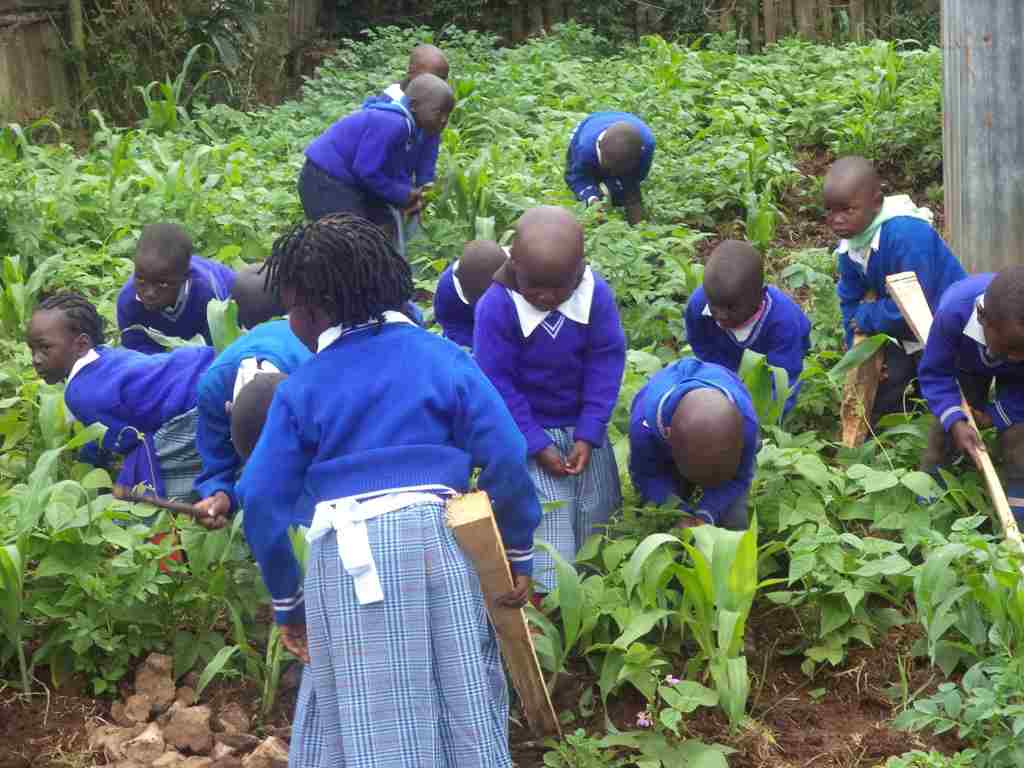
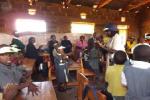
Grandmother Wanjiku told the children about the old iron jembe’s (hoe’s) that were used before they had the mass-produced steel ones, and then she showed them how to dig. She taught the children how plants need water, light and soil if they were to thrive, and she showed them how they could grow maize at home. Mary asked if the tool could hurt them and Wanjiku said that it could if they didn’t handle it very carefully. She  showed them a big scar that showed where she had been cut when she was a young girl so the children were very careful with the tools.

Digging

The jembe became heavy when it was loaded with mud, and the mud had to be scraped off.

Digging 3 it gets so heavy 

Digging2

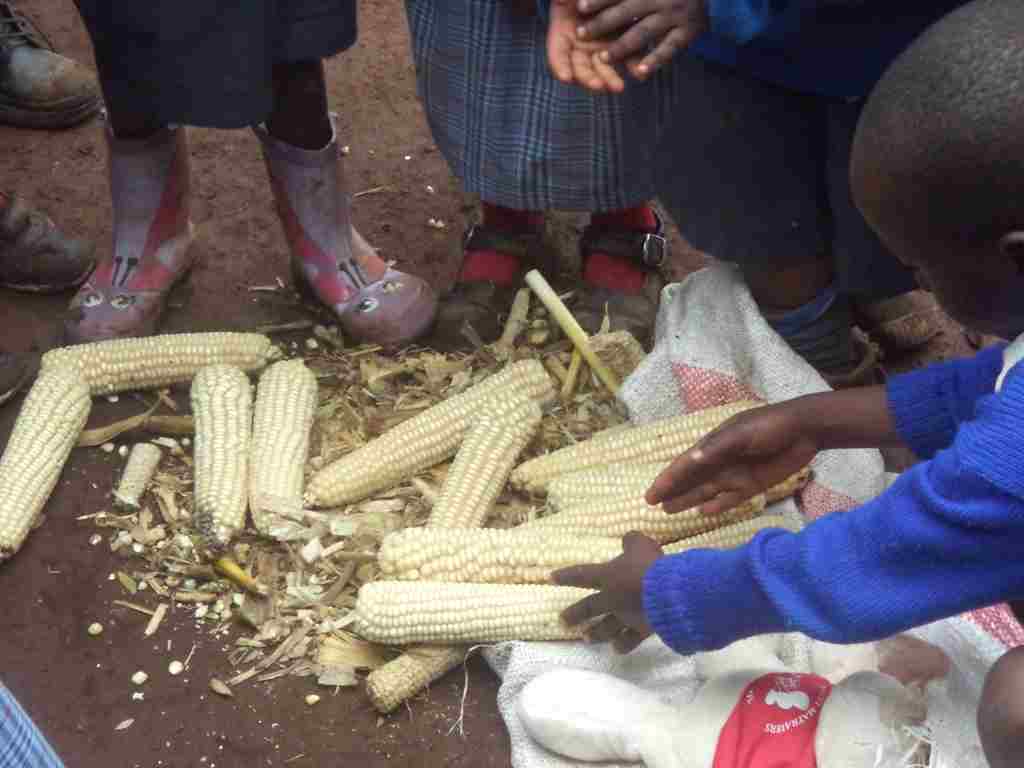
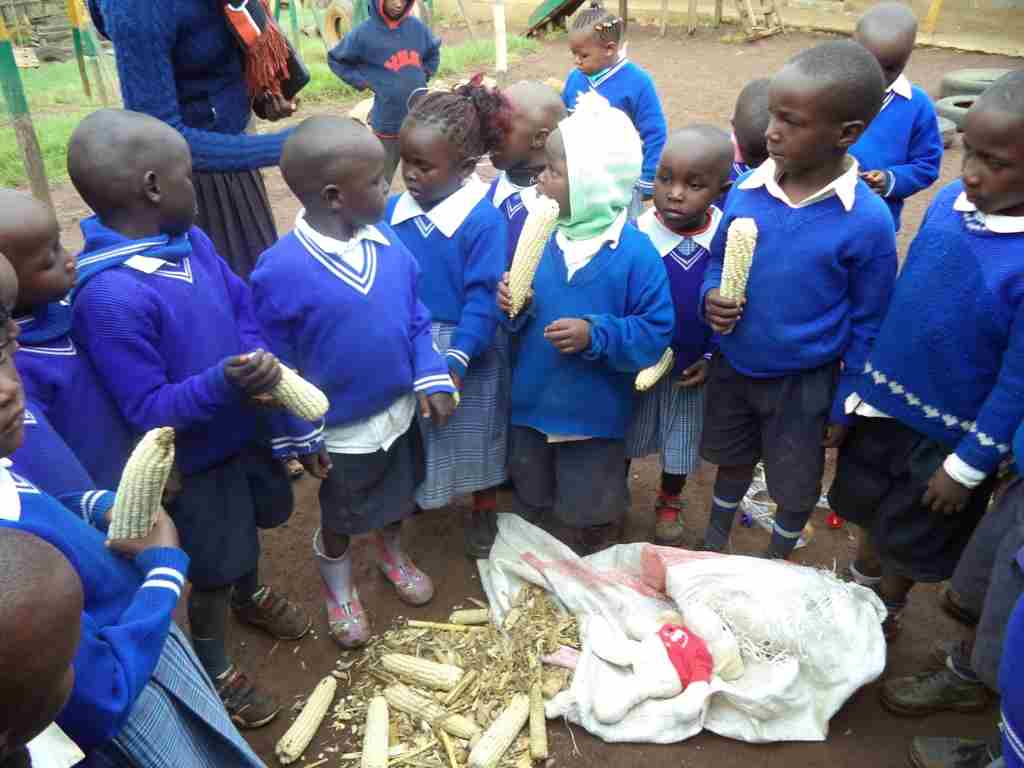
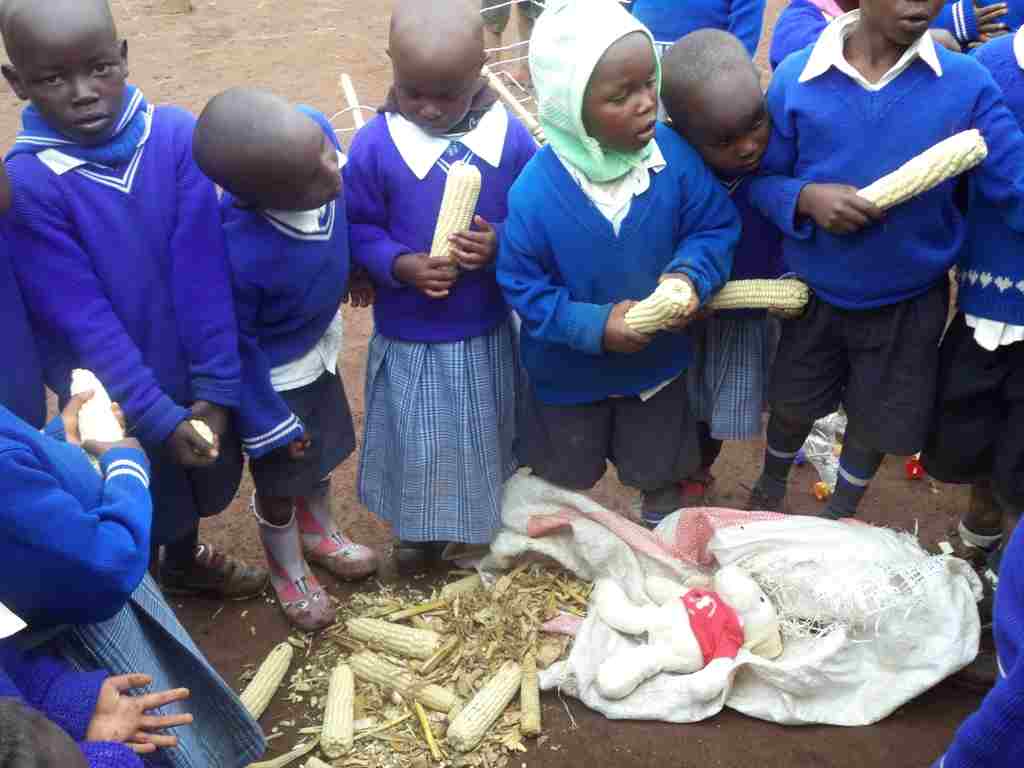
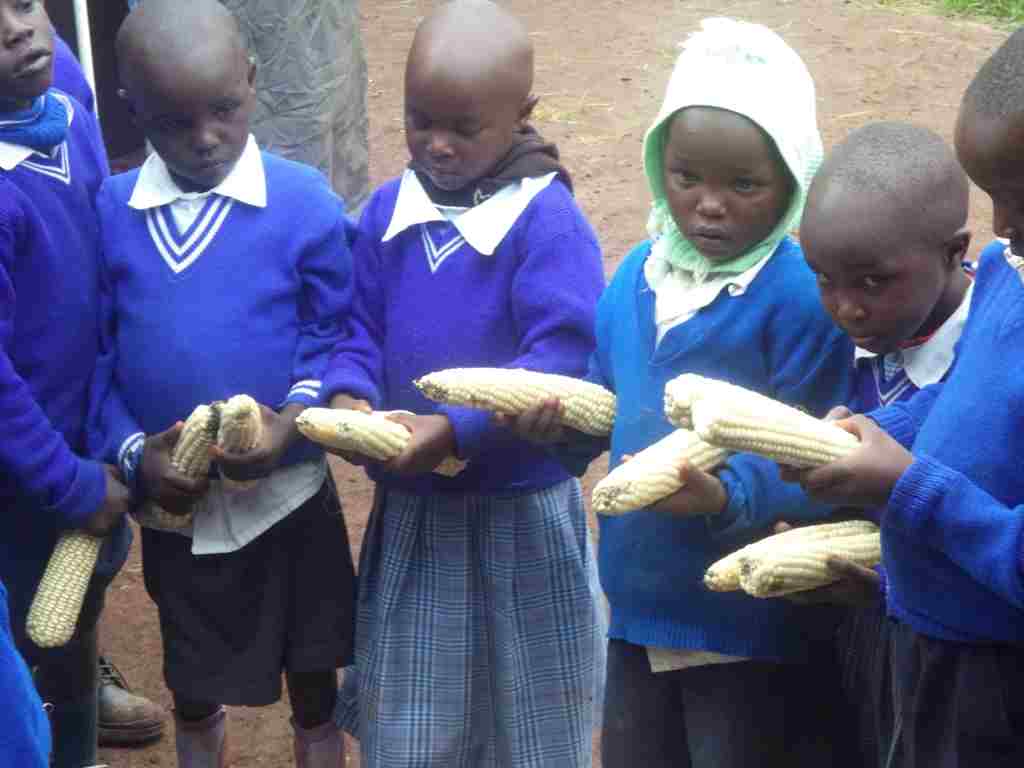
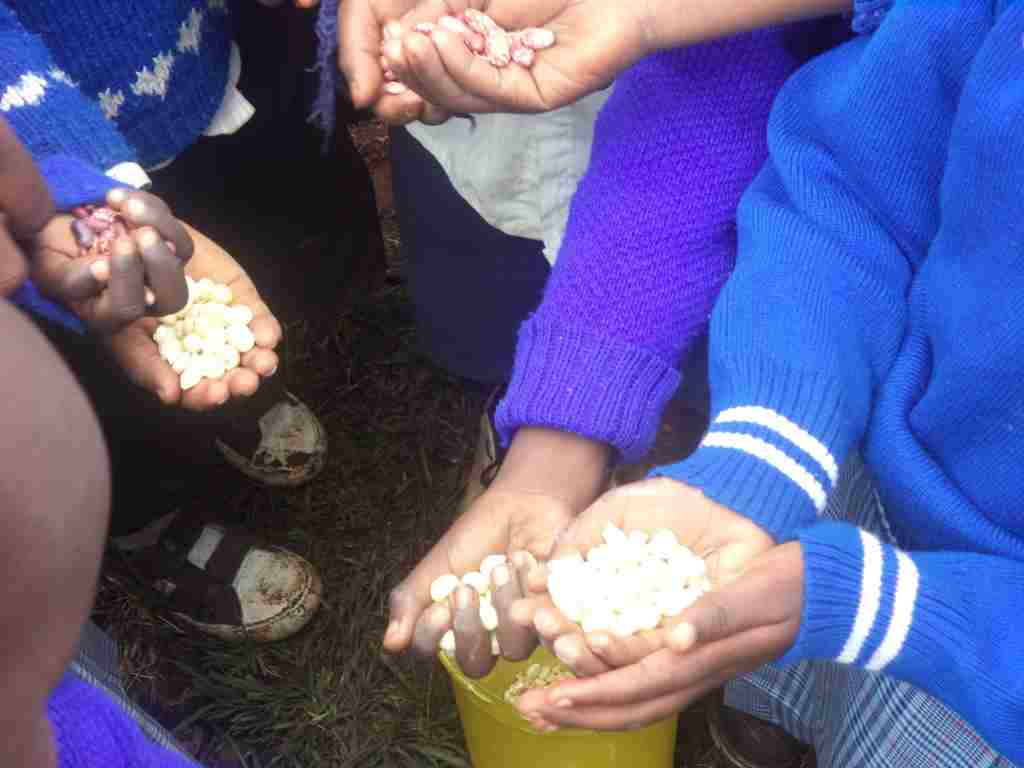
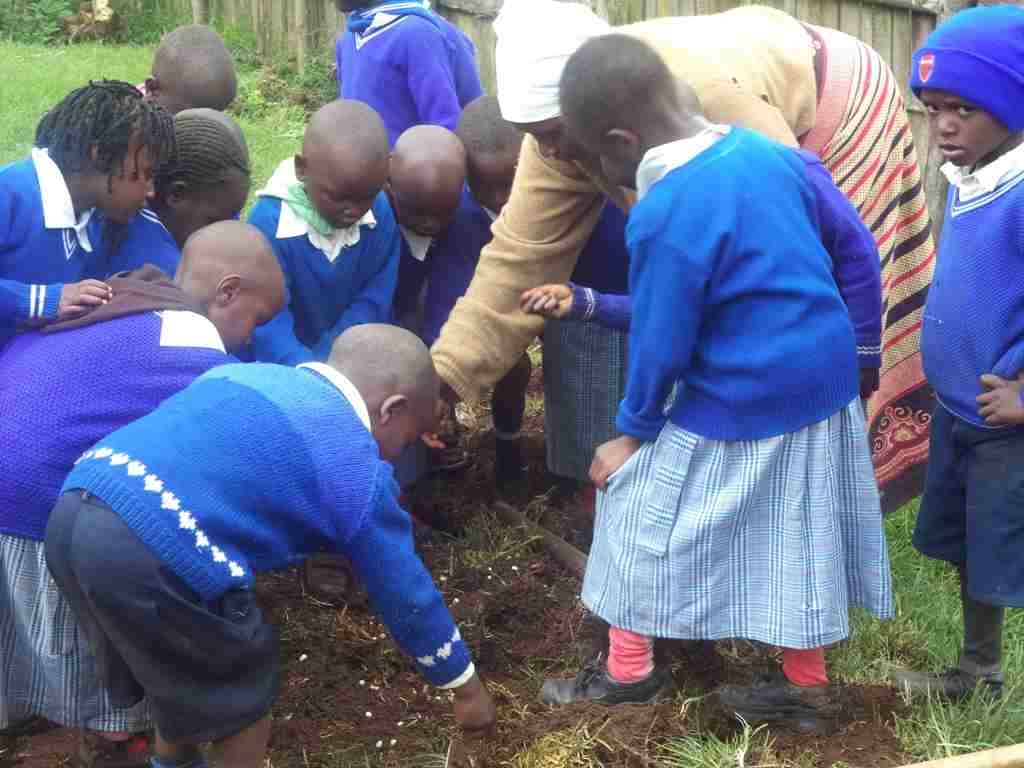
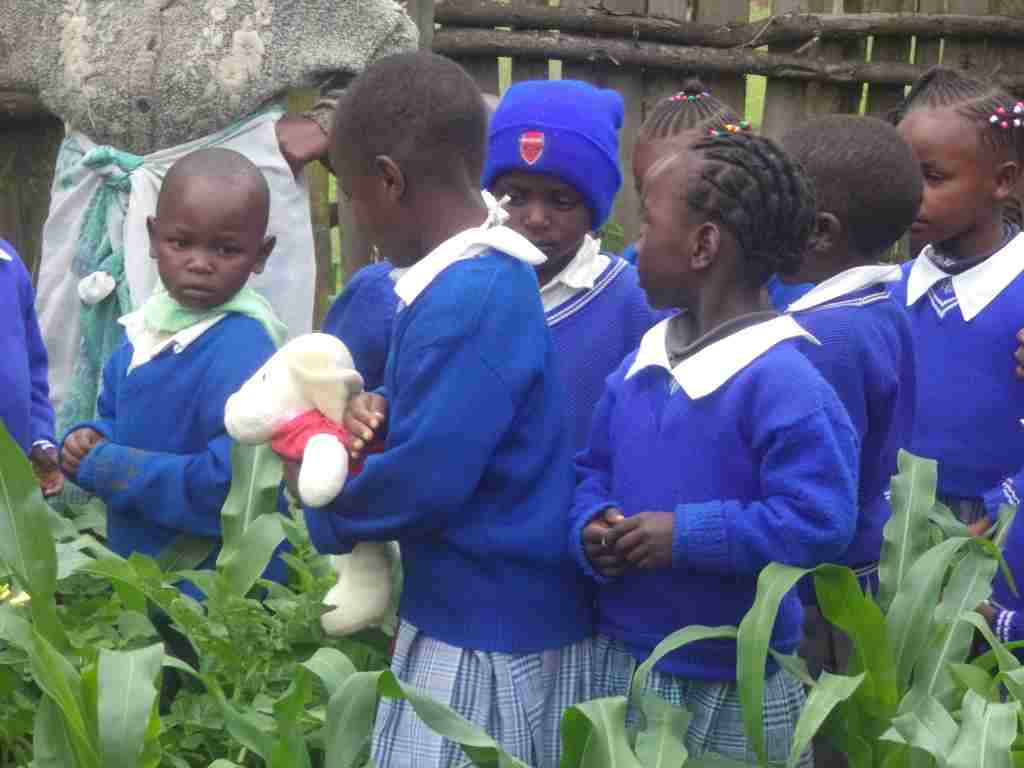
The children were then shown how they could remove seeds from the cobs and how to plant them.

Where the seeds come from What do we do with these Where the seeds come from - what happens next

Where the seeds come from2 Removing the seeds SeedingThe children asked if they could eat the seeds and they were told that they couldn’t because they were not cooked.
Then the children asked if they could take some seeds home to grow and they were told that they could.

Wanjiku showed the children how to identify and remove the weeds that would grow around their maize.

Weeding with hoe Weeding Weeding2

Widget in Kenya

On arrival in Kenya, Widget visited the preschool ‘shamba’ with the children. Grandmother Wanjiku was visiting the preschool to tell the children about how she had been growing some of her own food since she was their age.
Widget at the Shamba
Many families in Kenya continue to supplement their incomes by growing food in their “shamba” (garden or  local plot). The most common crops are  maize, beans, and kale. It is often the women who grow the food, men have traditionally cleared the land, looked after the live stock and milked the animals.

Wanjiku taught the children how they could grow their own maize (corn).

 Widget learning about Kale and Maize

Widget had lots of questions to ask.

Widget asking your questions about the shamba

Global Handwashing Day at Kangoro, Kenya and Grove Nursery UK

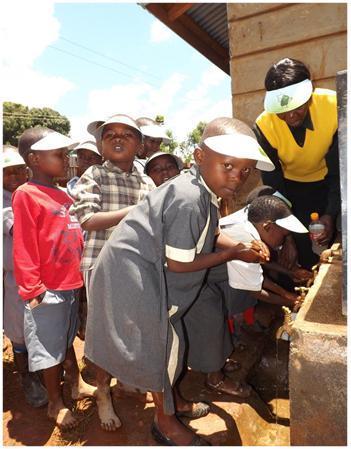
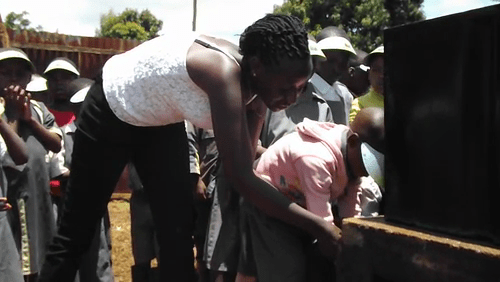
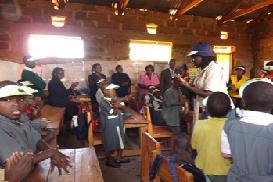
 WASH project preschool classes shared their celebration of Global Handwashing Day with their OMEP partner preschool in Dorchester in the UK.  The activities were co-ordinated between Kangoro preschool in Meru in the Eastern Province of Kenya and The Grove Preschool in Dorchester, England. Photographs and videos were taken and exchanged between the partners during these activities and these are continuing to stimulate regular communications between the children, their families and teachers. The preschool partners were brought together through a World OMEP initiative focused on efforts to provide Education for Sustainable Development in Early Childhood (ESDEC).
Kang2

The song  (sung to the tune of the old English classic: “Knees up Mother Brown”)
Wash your dirty hands, (Sung as the children practice washing their hands well)
 wash your dirty hands,  with a rub rub rub  and a scrub scrub scrub, wash those dirty hands! 
…CLEAN! (The children call out as they  hold  up their hands to show how clean they are)
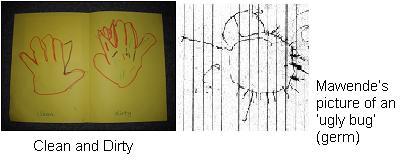
The children all drew their own pictures of horrible germs and drew posters to show the difference between clean and dirty hands.

Kang4

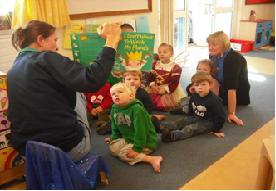
At the Grove preschool the children learnt about a Princess who didn’t want to wash her hands…until she saw just how horrible germs were.

Kang3

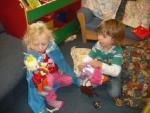
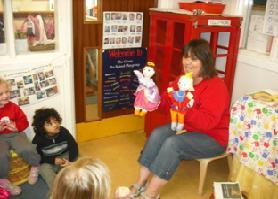
The children also began talking with the teachers about hand washing during a cooking lesson where they were making jam tarts ..so the teachers used puppets to sing and tell a story about the King of Hearts who wanted jam tarts, and the Queen who said that she would make some.  The Queen had to wash her hands before cooking, and the King washed his hands before eating the tart.

Kang6

The Queen of Hearts is a character from Lewis Carol’s Alice in Wonderland story book. It is also the source of an old English nursery rhyme:
The Queen of Hearts she made some tarts all on a summer’s day;
The Knave of Hearts he stole the tarts and took them clean away.
The King of Hearts called for the tarts and beat the Knave full sore
The Knave of Hearts brought back the tarts and  vowed he’d steal no more.
The children then acted out the story independently.
Practicing hand washing at Kongoro Preschool
Kang1