Sunshine

Key idea: Sunshine heats the earth’s surface – e.g. Identifying the effect of the sun heating  playground furniture, surfaces, trees etc.,  and the extra warmth that we feel when entering a conservatory or greenhouse (UC1.2)
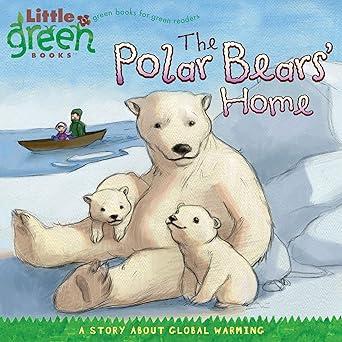
Title: The Polar Bears’ Home: A Story About Global Warming
Author: Lara Bergen
Illustrator: Vincent Nguyen
Publisher: Little Simon
Publication: 2008
ISBN: 9781416967873

The picture book tells the story of travel on snow and water to the Arctic. The story suggests a lot of things that we can collectively do to reduce global warming, like recycling and making less waste.


Emergent learning:

If we adopt an emergent approach to learning science, we shouldn’t begin by teaching children the phrase ‘Global Warming’, they simply wouldn’t understand. But in early childhood we can still help them to begin learning about it.

To do that we must ‘involve them.’ We must at first encourage them to feel the heating effects of the Sun and to recognise the greenhouse effect that glass windows and roofs have on trapping heat. It will then be a small step for them to later learn that ‘greenhouse gases’ are acting just like glass in overheating our planet. We can take them to places where they will feel the additional heat. We can identify the effect of the sun heating playground furniture, surfaces, and trees, and the extra warmth that we feel when entering a conservatory or greenhouse.

Activity recommendation:

Children can create their own greenhouses, using recycled bottles or jars, seeds and soil – they can grow their own plants out of season.

Children can also set up a ‘controlled experiment’ to see what happens if we provide a second batch of seeds, in the same soil and with the same amount of water but without the ‘greenhouse’.

Other Book Recommendations: 
Weather and Climate

  • Key idea 1: “Weather” describes daily experience, while “climate” describes weather patterns over many years, e.g. Identifying different local seasonal weather conditions, and also the different climates of countries around the world (UC1.1).
  • Key idea 2: Everyone needs sustainable living spaces, e.g. Learning about clever indigenous housing designs from around the world (UC6.4).

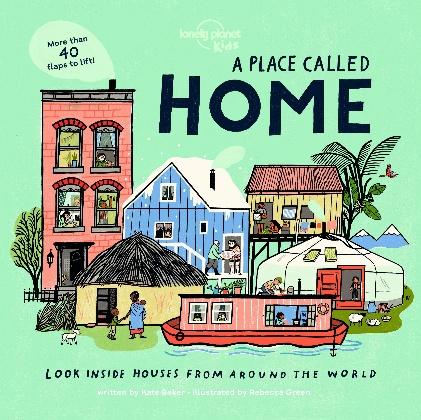
Title:  A Place Called Home: Look Inside Houses Around the World
Author: Kate Baker
Illustrator: Rebecca Green
Publisher: Lonely Planet Kids
Publication Date: 2020
ISBN: 978-1-78868-934-2

This book introduces houses from all over the world, and helps us understand how people live in different places.

Emergent learning:

We cannot teach children the science of Climate Change and Global Warming in the earliest years but if they are to understand it later, they first need to know what CLIMATE is. At first, children learn about WEATHER, and then they learn that Climate means something different to Weather. We can help children learn about weather through daily conversation about the rain, wind and temperature.

It’s only when children have differentiated between different weather conditions, we can talk about weather as a subject. Likewise, when we are ready to talk about “Climate” with children, we need to first give the child a lot of examples of different climates.  When we introduce children to the subject of Climates, we can do this by talking about the way people live in different countries, because the local climate effects what they eat, how they dress, and how they make our homes. We all need nutrition, clothes, and houses and we can show children how clever people around the world create these things in different climate conditions.

Activity recommendation:

We can incorporate climate awareness in their play with small world animals – in many Montessori schools, children are given large continental floor maps to play with – they place the animals on the continents they live in – we can do that with picture cards showing food, clothing and houses as well.

Other Book Recommendations: