Key idea: Resources are essential and at the same time scarce – e.g. Identifying the difference between needs and wants and the importance of sharing (UC5.1).
Key idea: Material possessions do not bring a lifetime of happiness – e.g. Making lists of needs and wants, learning about over-consumption. Playing with upcycled, and recycled toys and materials (UC6.3).
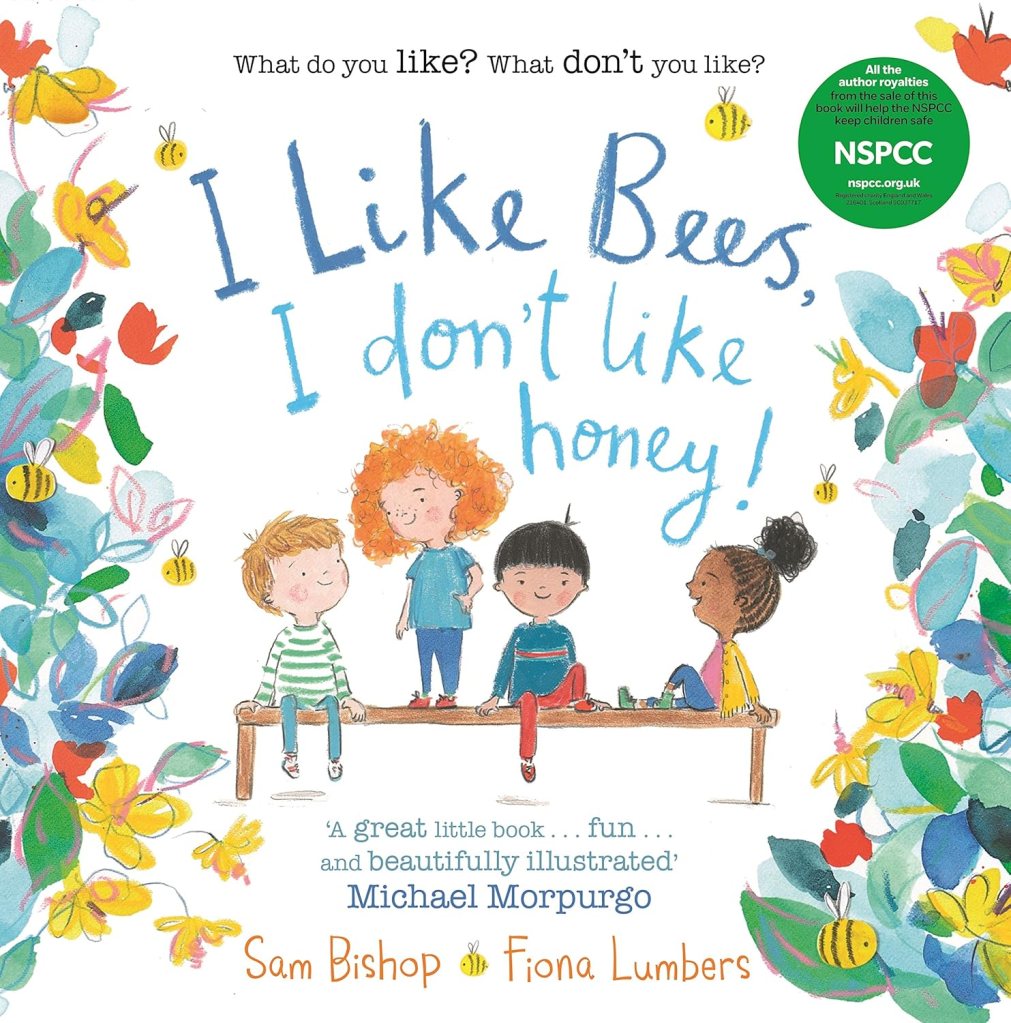
Title: I like Bees, I don’t like Honey!
Author: Sam Bishop
Illustrator: Fiona Lumbers
Publisher: Faber & Faber
Publication Date: 2017
ISBN: 978-0571334193
Encourages children to gain confidence in expressing their feelings, talking about individuality and respect for differences.


Emergent learning:
It is crucially important for us to support our children in differentiating between their Needs, and their Wants and Desires.
Nature demands that all living creatures economise. People often think of the word ECONOMY as a noun, the news reports are constantly worrying us about the state of the economy and our national wealth. But ECONOMY is much more importantly a verb – it is something we have to DO – nature demands that all living creatures must economise. Whether we are human, fish, animal or plant, if we consume all our nourishment, if we destroy our environment – we will perish. Humanity has infinite wants and desires, but we have finite resources, there are limitations to food, clean air, water, and energy.
Activity recommendation:
Around the World, parents and early childhood educators often talk about the 6 – 9 R’s of sustainable economy: Reduce (use less), Refuse (if you have had enough), Repair (rather than Replace with new), Reuse, Repurpose and Recycle . Sometimes another R – to Rethink (outside the box) is included and Rot may also be included in recognition that composing is so important, and land fill waste disposal so damaging. These R’s of sustainability provide us with a checklist of crucially important activities that we can draw our children’s attention to, and engage with them in carrying out.
In extension to this we can usefully take the opportunity, when appropriate, to critically differentiate between what is often seen as the self-evident relationship between Technology and Progress:
Which is …the best Technology?
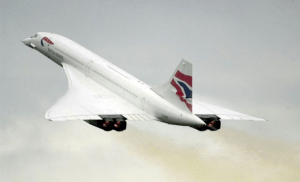
An aircraft that knocked 200 minutes off the time it took to transport 100 people from London to New York (Cost: £20 Million+)?
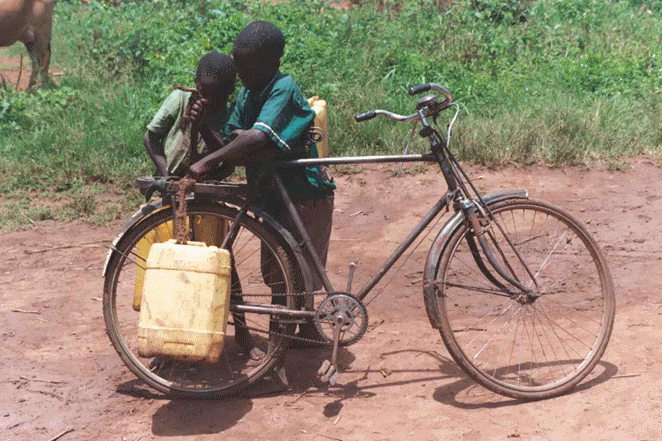
…Or a bicycle that knocked 200 minutes off the time it took to transport a day’s supply of clean water to a village (Cost: £40)?
Ref. Siraj-Blatchford, J (2008) The implications of early understandings of inequality, science and technology for the development of sustainable societies Samuelsson, I and Kaga, Y (Eds), The contribution of early childhood education to a sustainable society. Paris: UNESCO
Book recommendation:

 Involve Me