- Key idea: There are better ways to deal with things that you no longer need – e.g. Involve the children in Recycling, Upcycling, Reuse, Repair,Ggiving, and Sharing activities. (UC5.2)
- Key idea: Taking climate action is urgent – e.g. Invite community leaders into the preschool to explain their climate actions. Create real or pretend sustainable bazaars, action plans, silent marches, etc
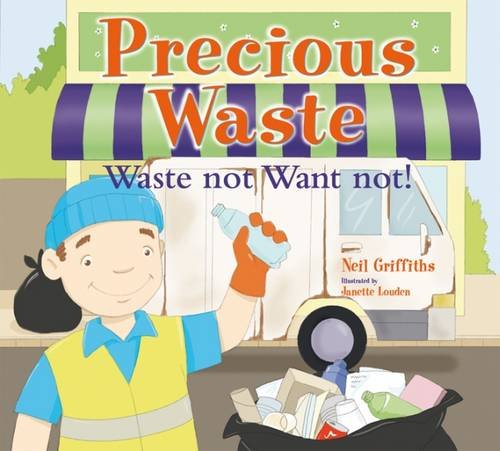
Title: Precious Waste
Author: Neil Griffiths
Illustrator: Annette Louden
Publisher: Red Robin Books
Publication Date: 2016
ISBN: 978-1904949152
“Refuse collector Ryan goes on a mission to change the mindset of the locals about recycling their rubbish and waste”.


Emergent learning:
Recycling is all about conserving the materials something is made from, so that it can be used to make something new.
Upcycling is completely different from recycling. It is all about taking an item that would otherwise be waste and improving it in some way to make it useful again. A plastic bottle, for example, can be transformed into a face visor for a space suit, a plant pot, a watering can, or a bird feeder. Upcycling is highly creative, and the only limits are our imagination and our skills.
Recycling activities encourage economy and as they involve the children in sorting, this helps them develop their early number skills. They also learn about materials which is valuable in terms of early learning in science and design and technology.
Activity recommendation:
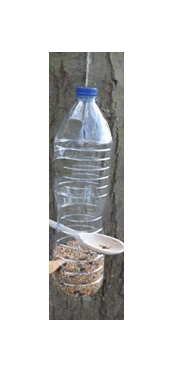
Upcyling activities support and encourage children’s creativity. A simple bird feeder may be improvised using a plastic bottle cut with feed holes and sticks positioned to provide a perch. Having introduced the basic idea children can be encouraged to observe their feeder in action and develop modifications for improvement. The choice of food itself is also a ‘food design and technology’ activity, and
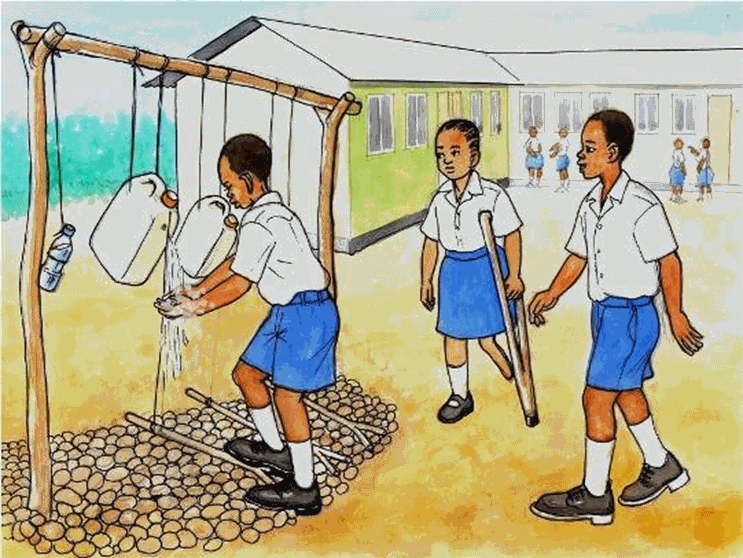
We often use Upcyling examples from the preschools of poor countries because they provide powerful illustrations of clever and creative innovations that children can learn to respect and admire. One popular example is the “Tippy Tap” often found in rural preschools in Africa where there is no piped running water for toilets and sanitation. To make your own, all you need is a plastic (e.g. milk/squash) bottle that you suspend with string from its handle, another string is tied between a stick on the ground and the spout so that when you put your foot on the ‘pedal’ it pours the water. You will see a picture on our web page and you will find it’s a good way of conserving water and providing hygiene in your garden and other outside play areas.


Other Book recommendations:

 Involve Me