- Key idea: We learn from many different information sources – e.g. Support the child in their critical awareness of the adult world: Consider teaching them, for example, if they are ever lost, that they should ask another parent with a child for help, and that they should give them their full name.
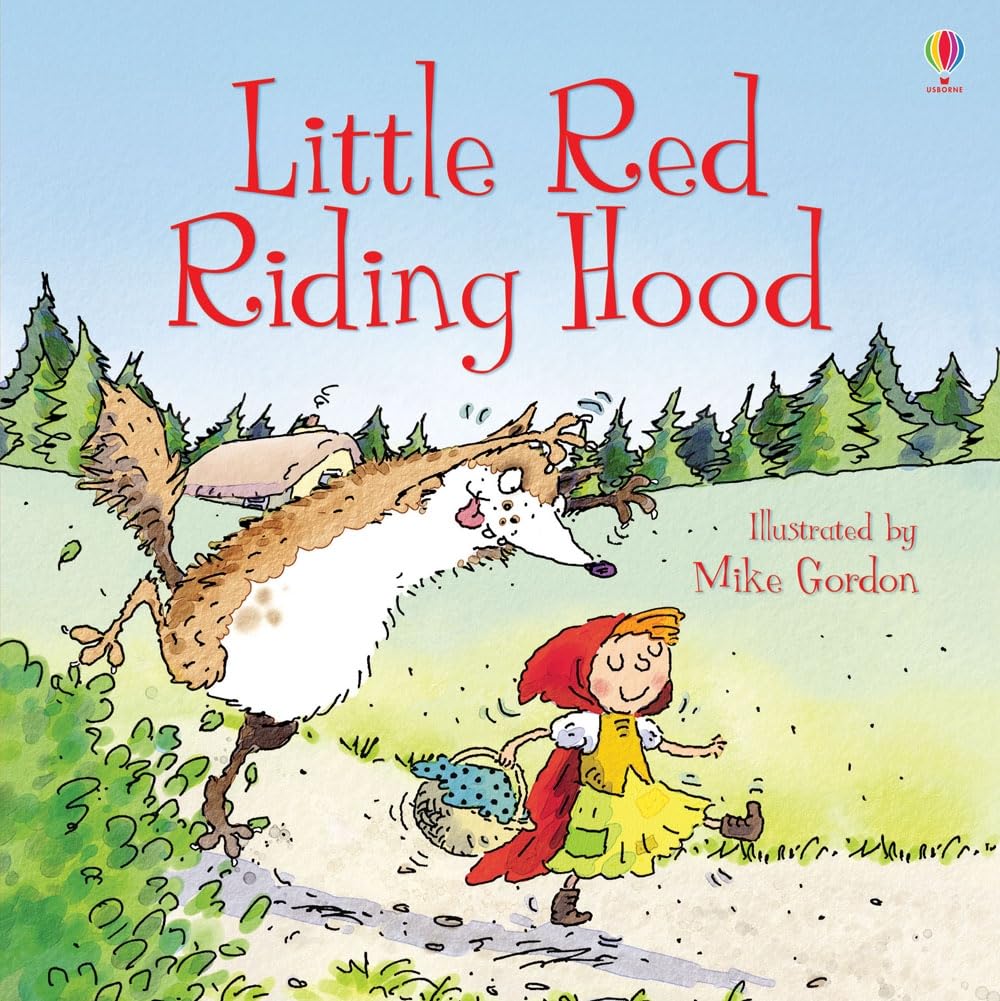
Title: Little Red Riding Hood
Author: Susanna Davidson
Illustrator: Mike Gordon
Publisher: Usborne Picture Books
Publication Date: 2012
ISBN: 978-1409551690
Children enjoy finding out how Little Red Riding Hood outwitted the Wolf, in this quirky retelling of the classic fairy tale.


Emergent learning:
Children are never too young to begin learning about information and disinformation, they are never too young to be critical thinkers. In fact this is considered a priority for most parents when they think of the dangers of their child blindly trusting other adults. In the UK we have ‘Stranger Danger’ campaigns that have been developed to alert children of the potential dangers of interacting with adults that are not recognised. Campaigns are increasing concerned to prepare children to say “No!” to any adult potential abuser.
Little Red Riding Hood is a traditional European story that dates back to the 17th Century and it provides a moral tale of a small girl that is at risk of being fooled by a big nasty Wolf. Children usually love the thrill and excitement of the story and take great pride in recognising that they themselves would not be so foolish to believe what the Wolf is telling them.
Moral stories have a role in helping children safely explore their fears and concerns, they help them learn about truth and honesty, and right and wrong.
Activity recommendation:
After finishing the story, you might invite your child to think a little deeper by asking: “If you were Little Red Riding Hood, would you believe what the Big Bad Wolf was saying?” A simple question like this can help children engage more with the story and also practice thinking critically.
A wider practical point to be made here is that we need to recognise that the sharing of some experiences, and picture story books might be counter productive unless they are backed up by activities that involve the child in contributing to solutions, that counter fear and feelings of despair, and encourage optimism. A good example of a book that could be a problem if not presented appropriately in this way is Lonely Polar Bear (Happy Fox Books) by Khoa Lee, which is all about the dangers of the melting polar ice caps. Contrast this with How To Help A Hedgehog And Protect A Polar Bear (Nosy Crow) by Jess French.
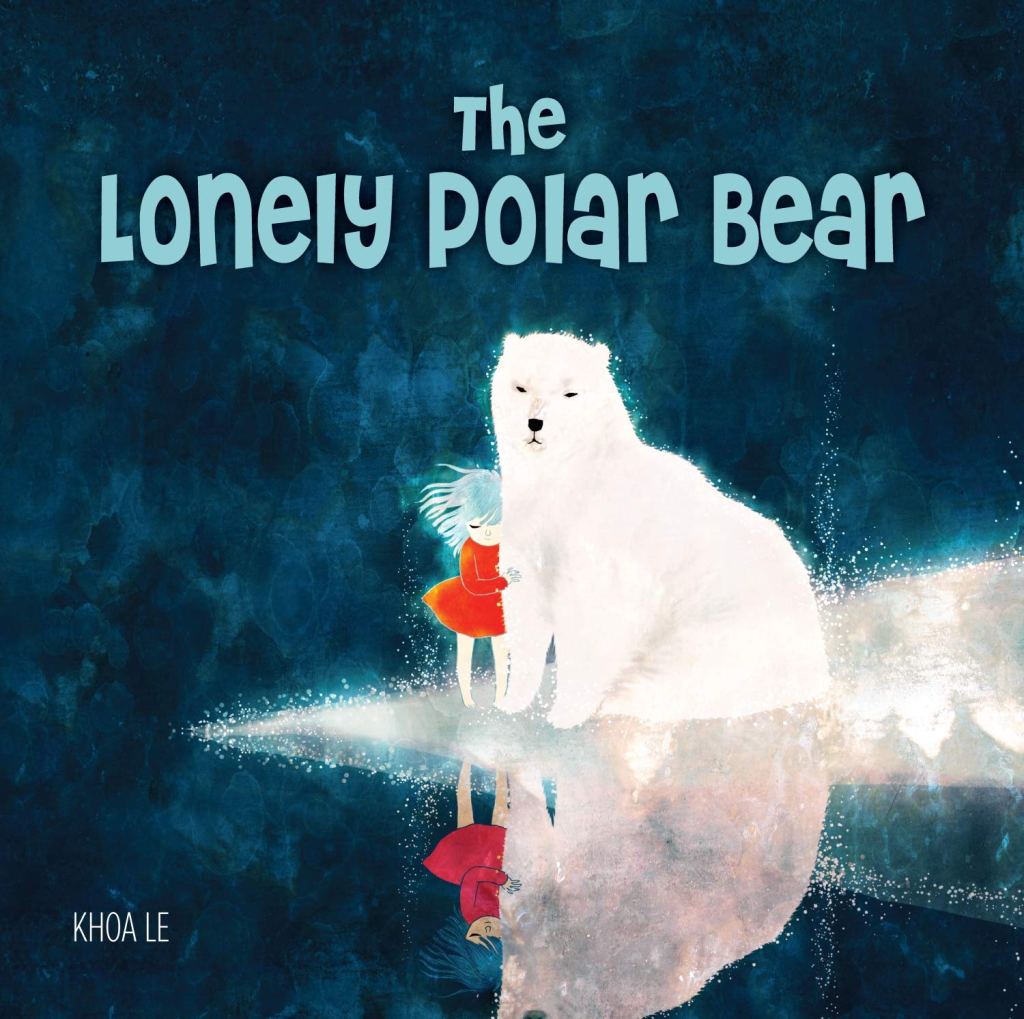
Title: The Lonely Polar Bear
Author: Khoa Le
Illustrator:
Publisher: Happy Fox Books
Publication Date: 2018
ISBN: 978-1641240161
“A little polar bear wakes up alone after a furious storm”.
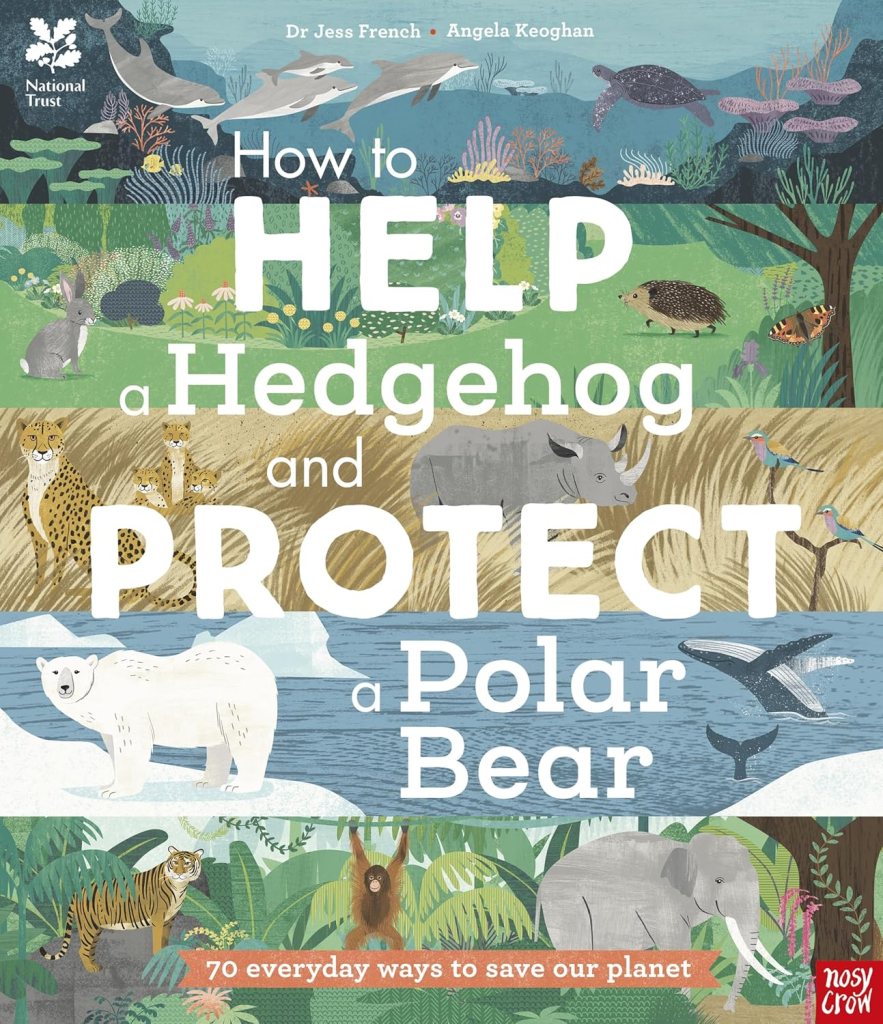
Title: How to Help a Hedgehog and Protect a Polar Bear
Author: Dr Jess French
Illustrator: Angela Keoghan
Publisher: Nosy Crow Ltd
Publication Date: 2022
ISBN: 978-1788007078
“Learn how you can save endangered animals and make the world a better place, too!”
See also:
https://www.bbc.co.uk/bitesize/articles/z7sbbdm
Book recommendation:

 Involve Me