- Key idea: Some animals used to live on our planet and are now no longer here (such as dinosaurs) – e.g. Learning about dinosaurs and more recently extinct and threatened species near where they live (UC2.2).
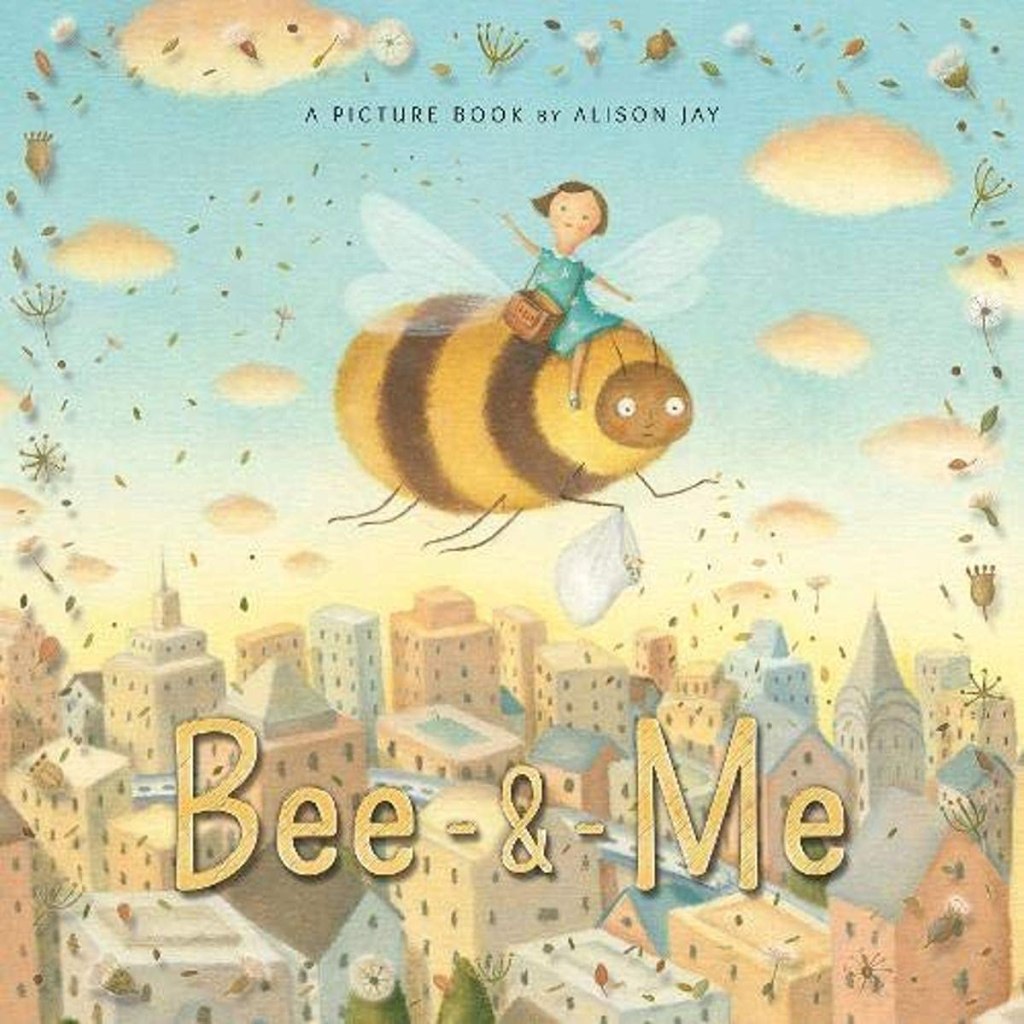
Title: Bee and Me
Author: Alison Jay
Illustrator: Alison Jay
Publisher: Old Barn Books
Publication Date: 2017
ISBN: 978-1910646199
Read the pictures and follow the growing friendship between a girl and a bee. The book provides an introduction to ecology and shows how some simple actions can help restore beauty and balance in our environment.


Emergent learning:
The foundations of learning about these issues in early childhood is best achieved begins with the child’s involvement in the protection of endangered species in their own local environment. Our book this week is all about Bees, but there are other important pollinators like butterflies that we can also support through putting out water, and planting nectar or pollen-rich plants that flower during the winter.
Animal conservation is a really important topic in early childhood and it is relevant far beyond the common concerns for protecting celebrity animals like Lions and Tigers, Elephants and Rhino, and our closest relatives the Great Apes. We are losing our biodiversity and insects play a crucial ecological role in food production. It has been estimated that as many as 1,000,000 plant species which may have important medicinal value, remain unclassified in the world’s wilderness areas. All of this potential may be lost, as many of those previously discovered and classified are already extinct or endangered.
Activity recommendation:
Many children have an interest in Dinosaurs, and, as their closest living relatives, wild Birds show many similar physical characteristics that children find fascinating. There are numerous other book title that refer more generally to wildlife conservancy and suggest things each of us can do to make a difference. Children can provide feed and water for wild birds, they can be involved in providing bird and bat boxes. Parents and teachers involved in voluntary organisations such as Greenpeace and wild life charities have citizen science projects and we can involve our children in these activities. It’s worth inviting enthusiasts into schools and preschools to share these interests with the children, other parents and teachers as well.
Other Book Recommendations:

 Involve Me